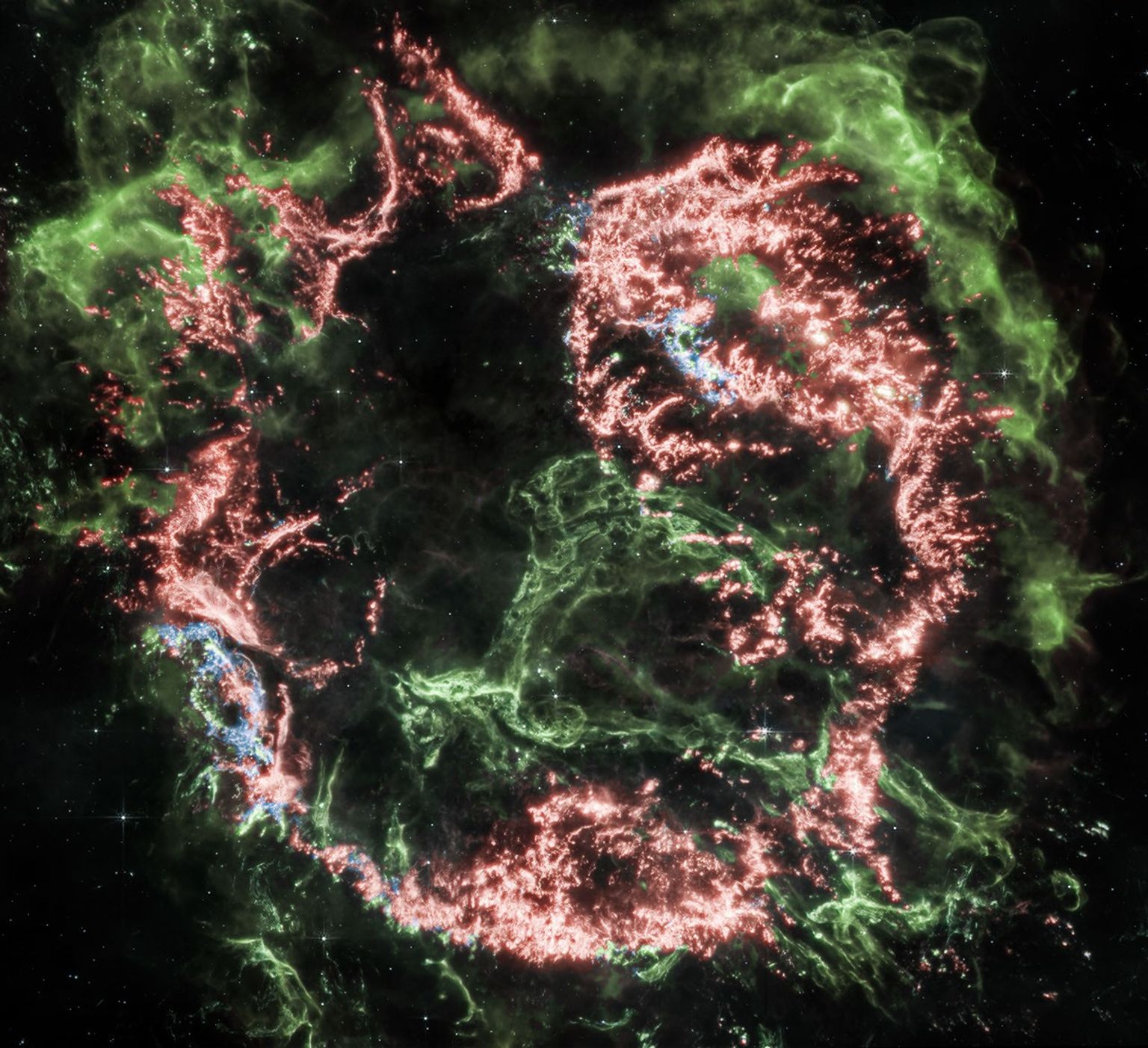
NASA’s Webb Shows How Supernova Dust Chronicles Star Evolution
1. Exceeding the Classical 1.44 Solar Mass Boundary
New high-energy astrophysical simulations indicate that white dwarfs embedded in ultra-strong magnetic fields can stabilize against gravitational collapse well past the classical Chandrasekhar limit of 1.44 solar masses. By incorporating quantum Landau quantization into electron degeneracy calculations, researchers identified stable configurations approaching 2.0 to 2.5 solar masses.
2. Quantum Magnetic Pressure & Modified Degeneracy
In a standard non-magnetic white dwarf, inward gravitational pull is countered purely by electron degeneracy pressure governed by Fermi-Dirac statistics and the Pauli exclusion principle. However, when magnetic field strengths exceed 10^12 to 10^14 Gauss, magnetic field pressure and anisotropic Lorentz forces contribute substantial outward mechanical support, elevating the maximum sustainable mass threshold.
3. Re-Calibrating Type Ia Supernovae & Dark Energy Measurements
Because Type Ia supernovae are formed by white dwarfs exceeding the Chandrasekhar limit, astronomers rely on them as standard candles to measure the accelerating expansion of the universe. If a fraction of these progenitors are magnetized super-Chandrasekhar systems, their peak optical luminosities will deviate from standard light curves, requiring refined cosmological calibration for Dark Energy surveys.
📊 Astrophysical Telemetry Data Table
| Theoretical Boundary | Modified Chandrasekhar Limit (1.44 M☉ → 2.5 M☉) |
|---|---|
| Physical Mechanism | Landau Quantization & Anisotropic Magnetic Pressure |
| Cosmological Role | Type Ia Supernova Standard Candle Calibration |
| Magnetic Field Strength | 10¹² to 10¹⁴ Gauss |
▶ Related Beyond Cosmic Horizon Channel Episode

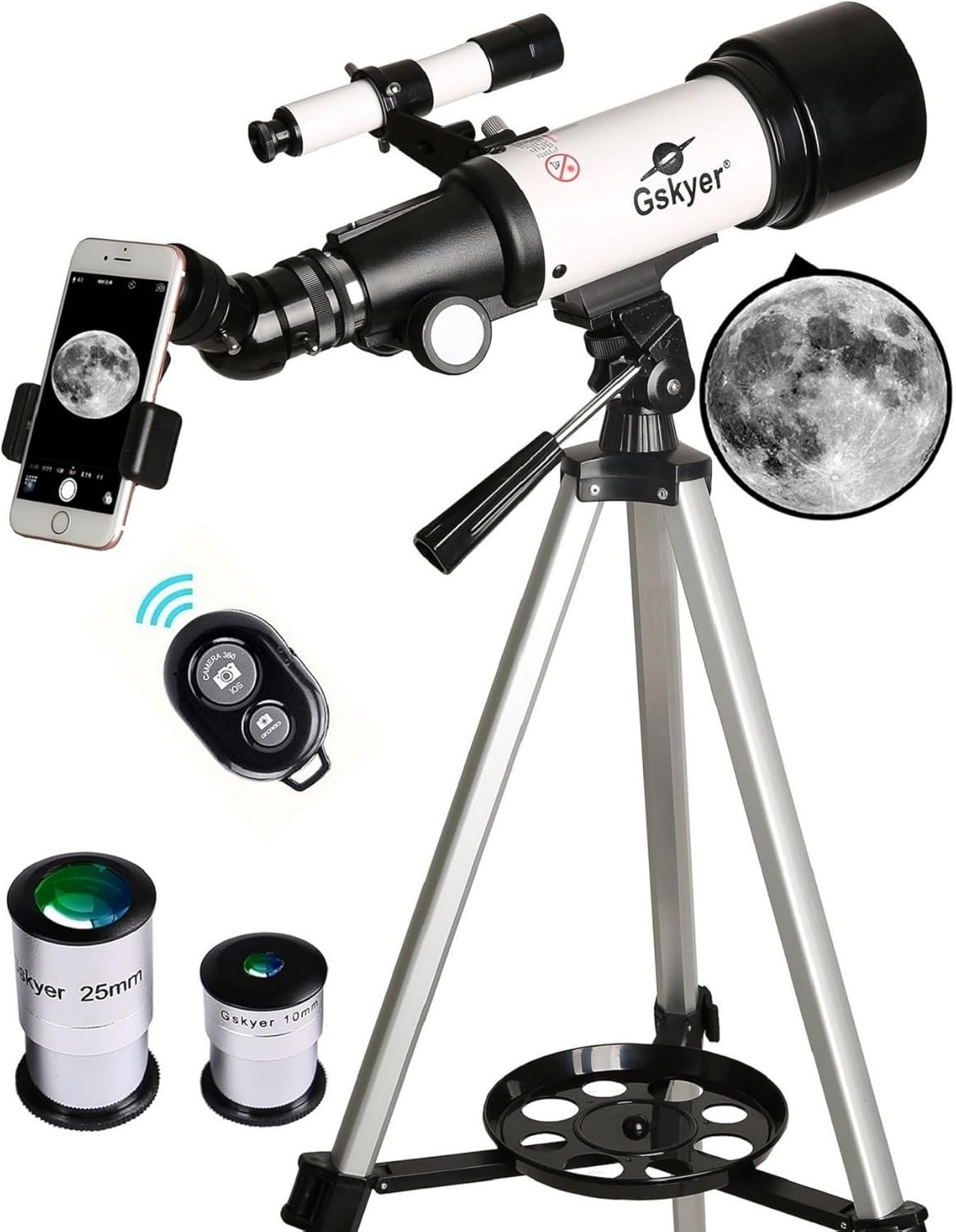
400mm focal length, wireless camera remote, and smartphone adapter to photograph lunar craters and star clusters.
Check on Amazon ↗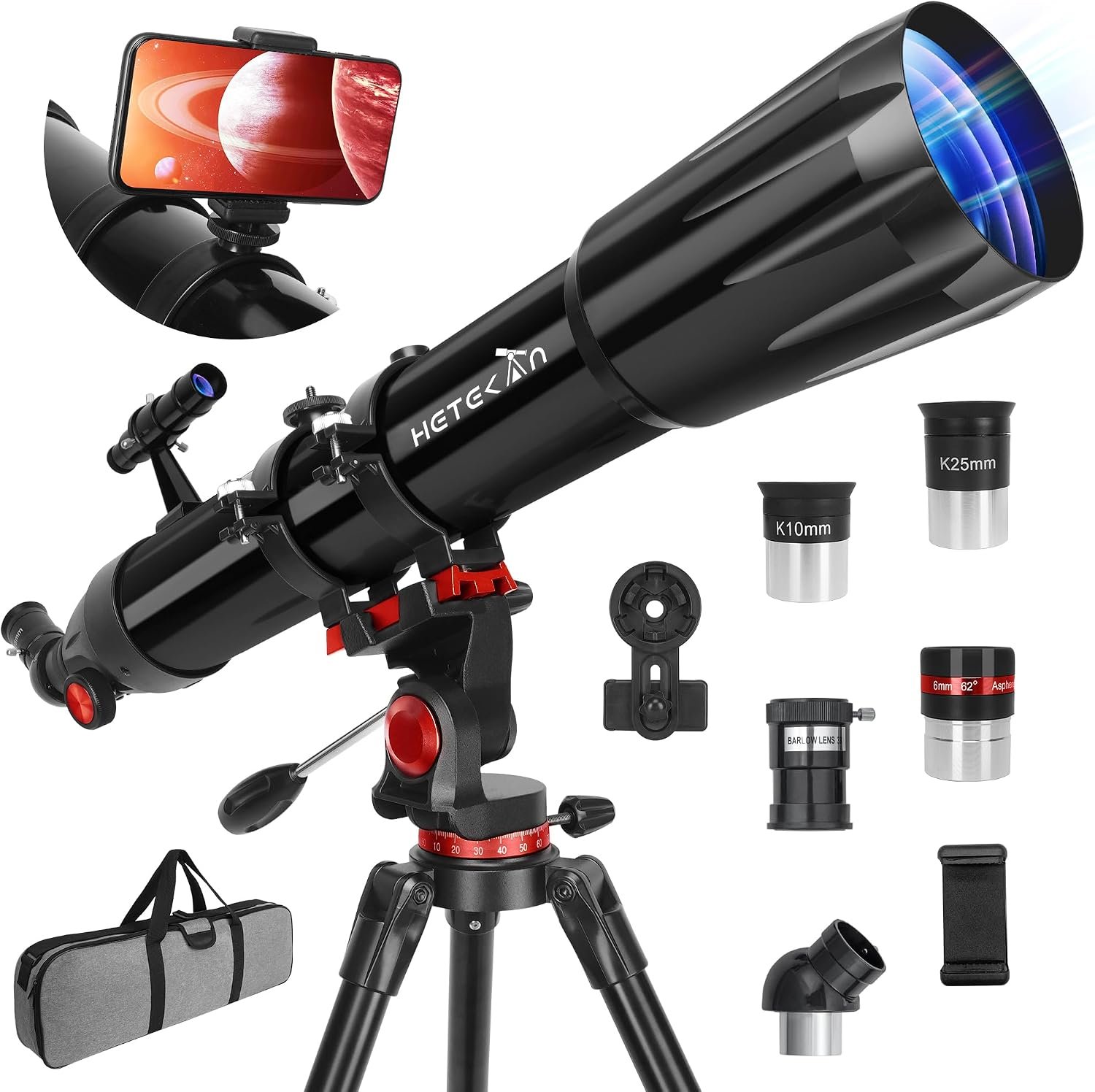
900mm focal length & stainless steel tripod for observing Saturn\'s rings and Jupiter\'s atmospheric bands.
Check on Amazon ↗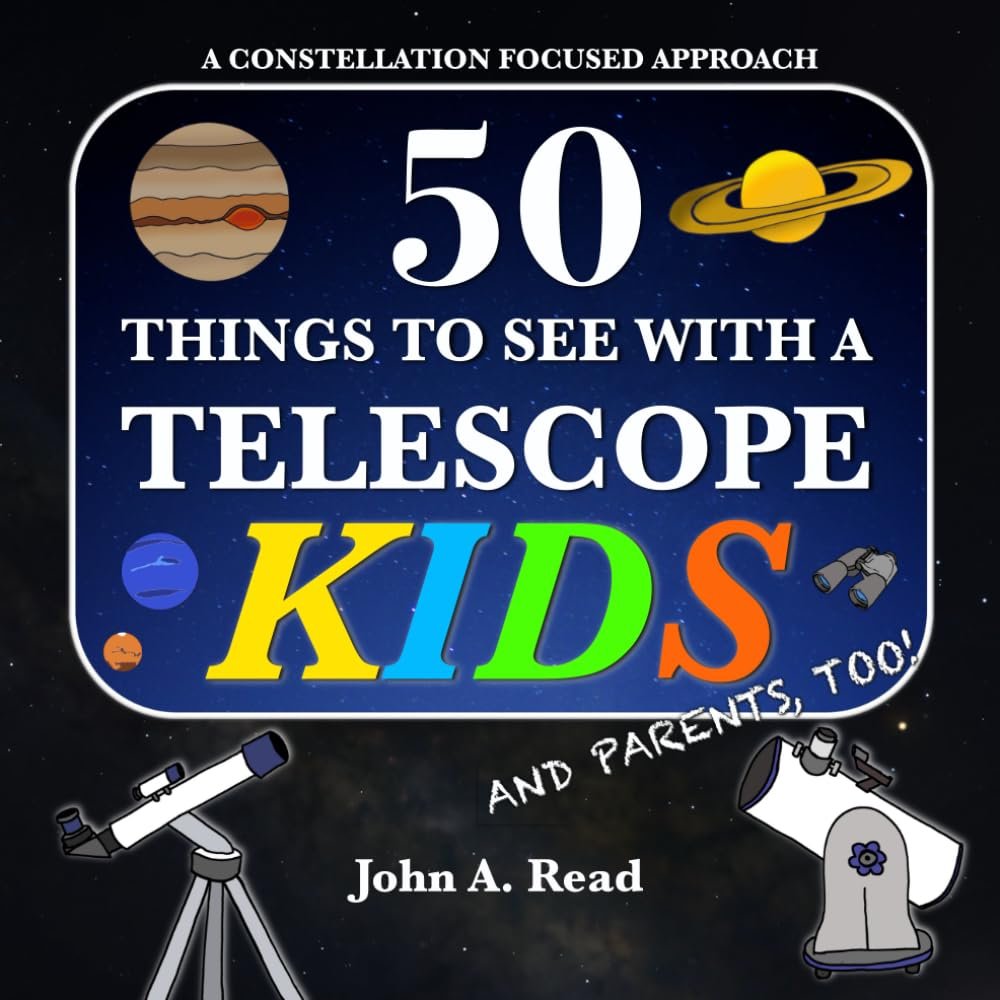
Bestselling stargazing field guide by John A. Read with constellation maps and visual observation charts.
Check on Amazon ↗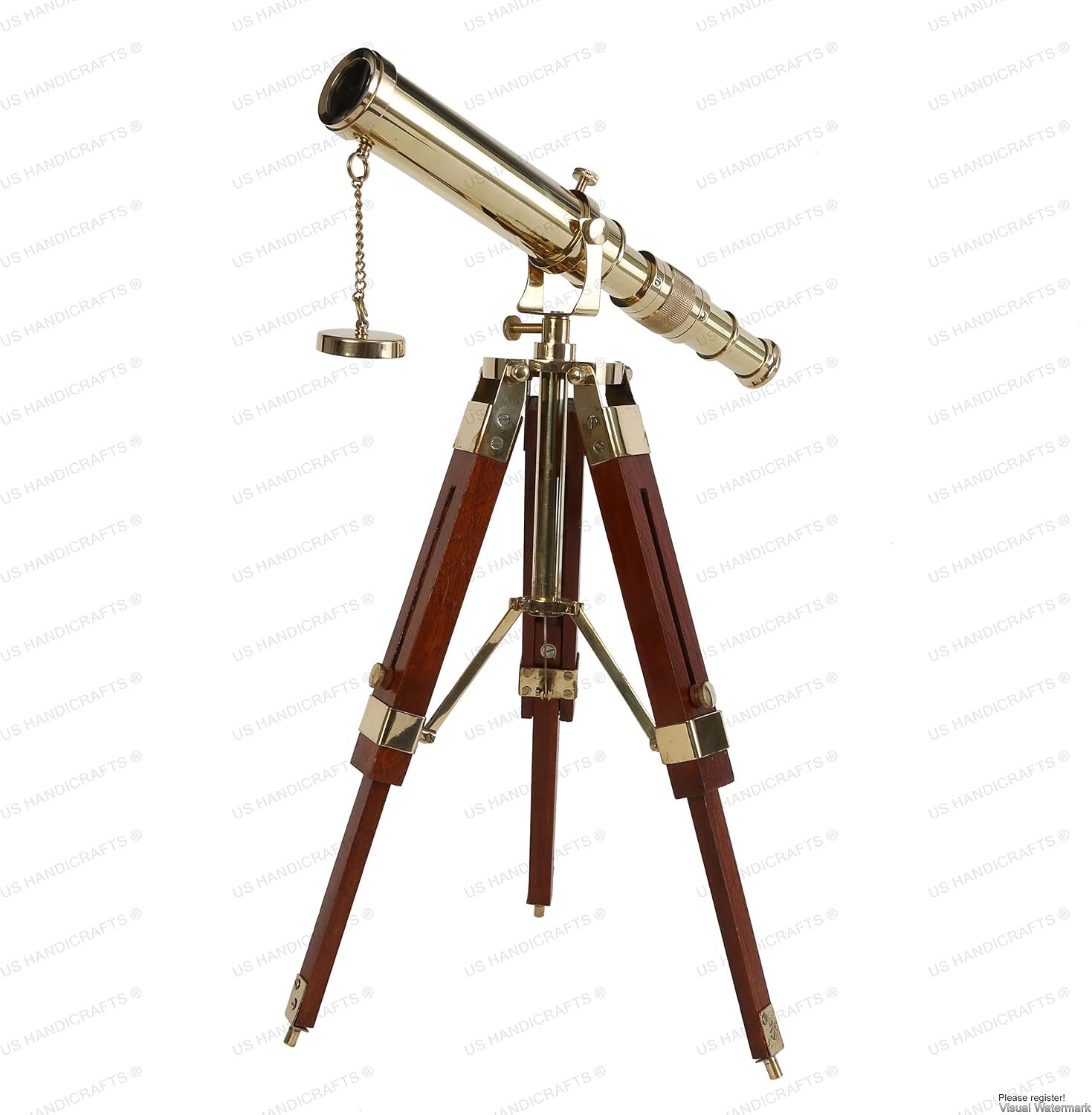
Classic nautical brass & polished wooden tripod telescope for home observatory, study room, or office decor.
Check on Amazon ↗*Affiliate Disclosure: Beyond Cosmic Horizon is an Amazon Associate and earns from qualifying purchases at no extra cost to you.
❓ Frequently Asked Questions (FAQ)
What is the significance of the discovery in "NASA’s Webb Shows How Supernova Dust Chronicles Star Evolution"?
NASA’s James Webb Space Telescope has painted a vibrant tapestry of the legendary supernova remnant Cassiopeia A (Cas A). Remnants like these are the clouds of gas and dust that remain following the explosion of a massive star and will eventually seed a new generation of stars and planets. This high-resolution, mid-infrared observati... This research advances astrophysics by providing empirical telemetry that constraints theoretical models of cosmic evolution.
Which observatory or space agency conducted this research?
This research was conducted by international scientific consortia and released through NASA / Goddard & JPL Missions.
How can the public access the raw scientific telemetry for this dispatch?
Primary data and mission archives are accessible through the institutional portals of NASA, with educational research syntheses published on Beyond Cosmic Horizon.