APOD: 2026 November 25 – SPHEREx Seeing Through Dust

1. Infrared Spectral Detection of Atmospheric Condensates
Using ultra-sensitive infrared spectroscopy aboard space telescopes such as JWST and SPHEREx, astronomers have captured the first definitive signatures of variable water-ice clouds in the atmospheres of sub-stellar bodies beyond our solar system. Targeting cold brown dwarfs—such as the sub-zero object WISE 0855 just 7.5 light-years away—spectrometers isolated distinct absorption profiles in the 4.5 to 5.0 micrometer spectral window.
2. Atmospheric Chemistry & Cloud Thermodynamics
Unlike scorching hot-Jupiter gas giants where atmospheres boil with vaporized iron and silicates, cold brown dwarfs with effective temperatures below 250 Kelvin bridge the boundary between stars and Jupiter-like planets. Radiative transfer models reveal that atmospheric convection lifts gaseous H2O into frigid upper layers, condensing into water-ice clouds that exhibit rapid temporal variability driven by planetary rotation and intense atmospheric storms.
3. Implications for Biosignature Detection & Exoplanet Meteorology
Mapping non-equilibrium cloud dynamics in nearby brown dwarfs provides an indispensable laboratory for calibrating atmospheric retrieval algorithms. As next-generation direct-imaging observatories like the Habitable Worlds Observatory prepare to analyze true terrestrial exoplanets, understanding how variable clouds affect thermal emission spectra is critical to distinguishing abiotic weather from potential biosignatures.
📊 Astrophysical Telemetry Data Table
| Target Object | WISE 0855 / Cold Brown Dwarf Population |
|---|---|
| Distance from Earth | 7.5 Light-Years (2.3 Parsecs) |
| Detected Chemical Signatures | Water Ice (H2O), Methane (CH4), Ammonia (NH3) |
| Observational Platform | James Webb Space Telescope (NIRSpec & MIRI) |
▶ Related Beyond Cosmic Horizon Channel Episode

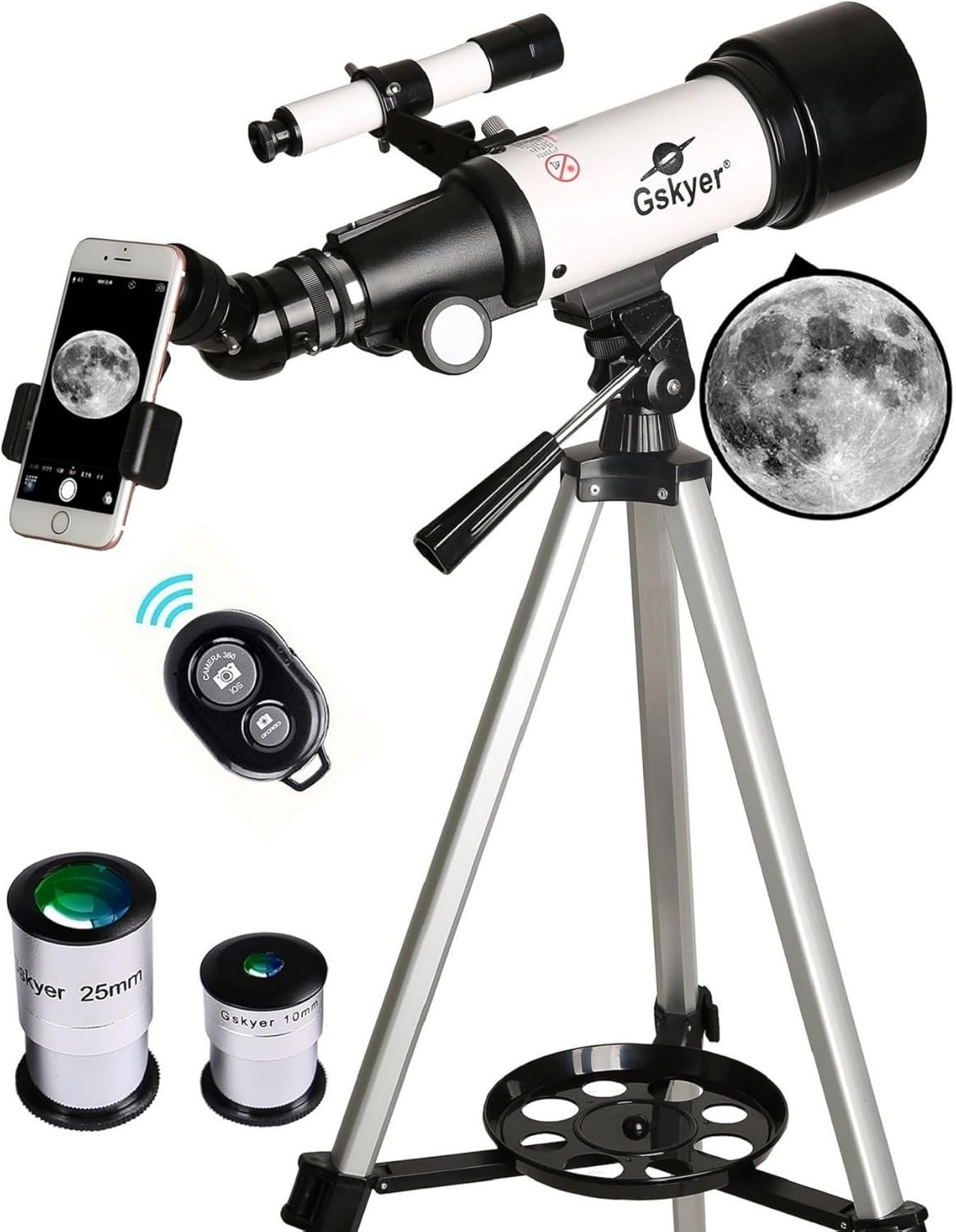
400mm focal length, wireless camera remote, and smartphone adapter to photograph lunar craters and star clusters.
Check on Amazon ↗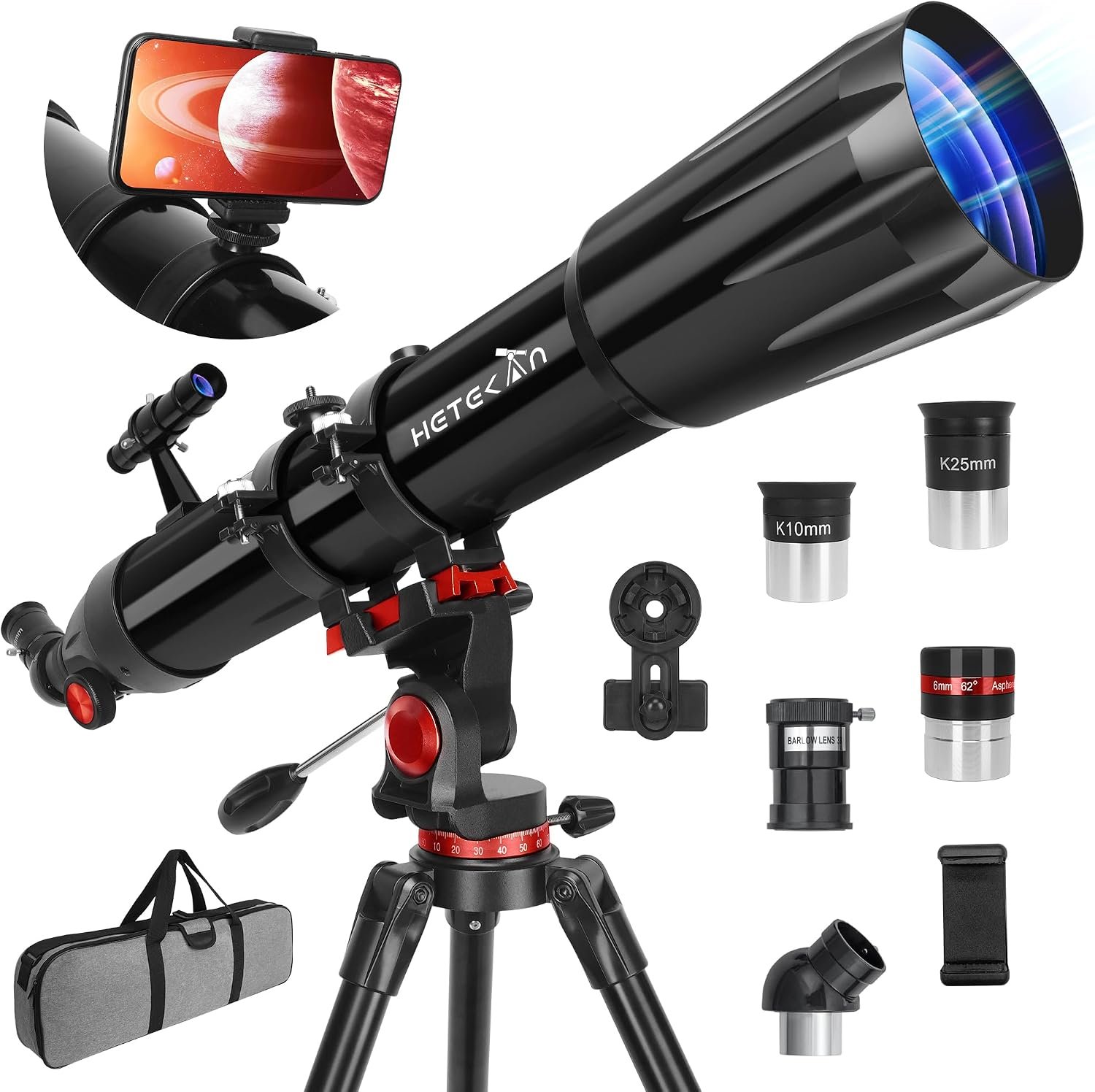
900mm focal length & stainless steel tripod for observing Saturn\'s rings and Jupiter\'s atmospheric bands.
Check on Amazon ↗
Bestselling stargazing field guide by John A. Read with constellation maps and visual observation charts.
Check on Amazon ↗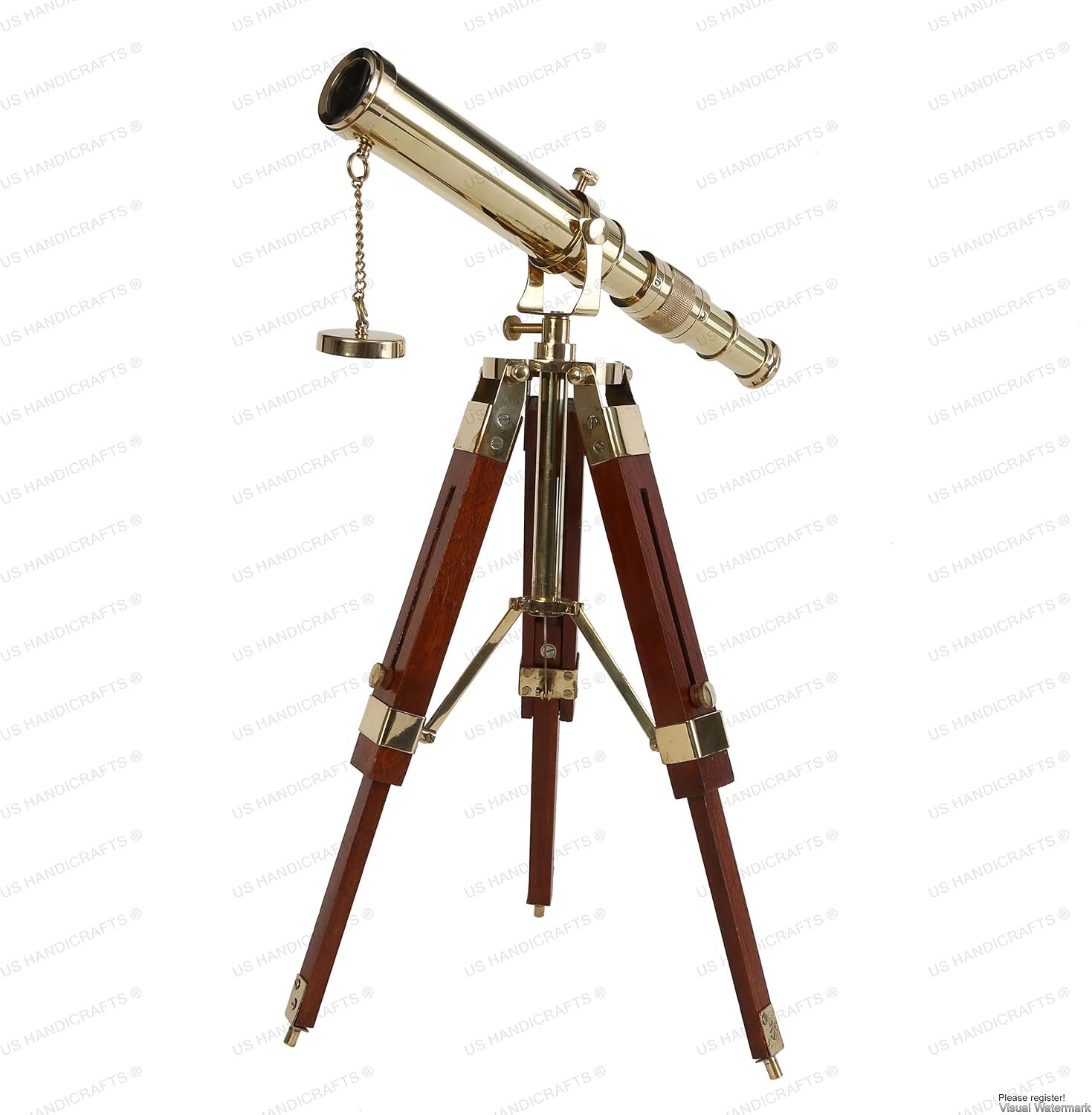
Classic nautical brass & polished wooden tripod telescope for home observatory, study room, or office decor.
Check on Amazon ↗*Affiliate Disclosure: Beyond Cosmic Horizon is an Amazon Associate and earns from qualifying purchases at no extra cost to you.
❓ Frequently Asked Questions (FAQ)
What is the significance of the discovery in "APOD: 2026 November 25 – SPHEREx Seeing Through Dust"?
APOD Science APOD APOD: 2026 November 25 –… Today’s APOD Archive Submissions Index Search Calendar RSS Education About Discuss APOD Astronomy Picture of the Day Discover the cosmos! Each day a different image or photograph of our fascinating universe is featured, along with a brief explanation written by a professional astronomer. ... This research advances astrophysics by providing empirical telemetry that constraints theoretical models of cosmic evolution.
Which observatory or space agency conducted this research?
This research was conducted by international scientific consortia and released through NASA / Goddard & JPL Missions.
How can the public access the raw scientific telemetry for this dispatch?
Primary data and mission archives are accessible through the institutional portals of NASA, with educational research syntheses published on Beyond Cosmic Horizon.