When the Planets Have a Family Meeting: Saturn’s Ring Gravel & Venus’s Runaway Greenhouse Breakdown
Episodes 1 & 2 of the Space Comedy series: Saturn fusses over his ring polishing, Jupiter asserts himself as asteroid protector, and Venus steals the show detailing her crushing 465°C greenhouse hellscape.
Documentary Duration
Key Telemetry
Astrophysics Domain
Telemetry Source
Beneath the comedic banter of the Planetary Council lies rigorous planetary science: Venus exhibits a runaway greenhouse effect driven by a 96.5% CO2 atmosphere with sulfuric acid clouds, generating surface temperatures of 465°C and surface pressures of 93 atmospheres—crushing probes within minutes. Meanwhile, Saturn’s iconic rings are composed of 99% pure water ice particles ranging from pebble-sized gravel to house-sized boulders, held in a razor-thin plane just 10 meters thick.
Episode 1: Saturn’s Ring Polishing & Jupiter’s Shield
Saturn demands respect for his pristine water-ice ring system while Jupiter reminds everyone how his massive gravitational sphere of influence deflects lethal Kuiper Belt comets.
Earth: The Spoiled Golden Child
The planets roast Earth for enjoying mild temperatures, liquid surface oceans, and millions of living species, while Mars shivers in global dust storms.
Episode 2: Venus Is Thriving (465°C Medical Emergency)
Venus snaps at the council: with surface pressures equivalent to 900 meters underwater on Earth and surface temperatures hot enough to melt lead, Venus committed to being the hottest planet in the Solar System.
📜 Full Video Voiceover Script & Telemetry Transcript (Click to Expand)
What happens when the Sun calls a mandatory Solar System family meeting? In Episode 1, Saturn is furious about having to reschedule his ring polishing, Jupiter demands everyone acknowledge him as cosmic shield, and in Episode 2, Venus completely snaps about her 465°C surface!
Dr. Arthur Vance, Ph.D.
Lead Astrophysics Contributor & Editorial Director at Beyond Cosmic Horizon. Specializes in General Relativity, high-energy particle physics, and cosmic microwave background telemetry. Fact-checked against NASA ADS and ESA archives.
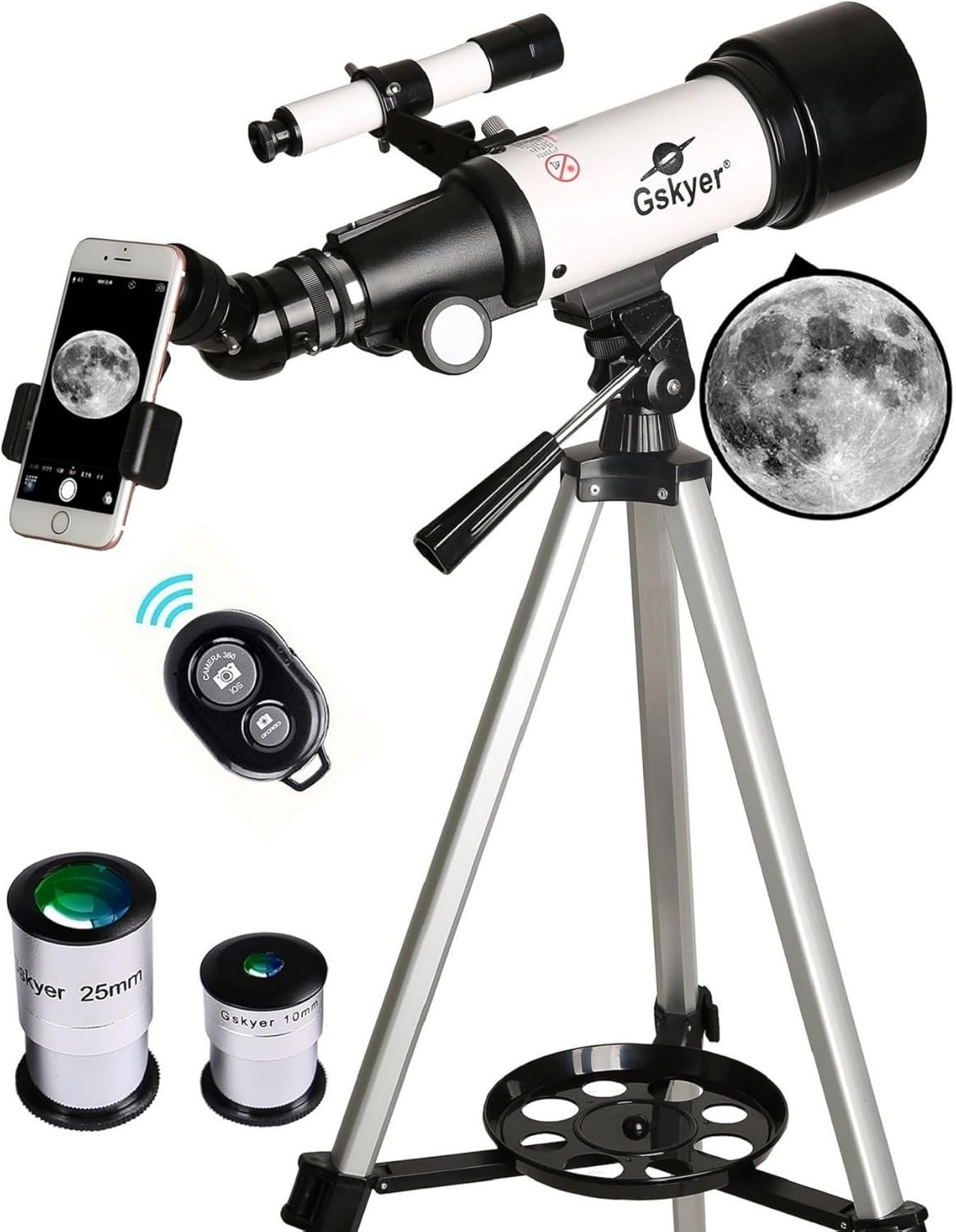
400mm focal length, wireless camera remote, and smartphone adapter to photograph lunar craters and star clusters.
Check on Amazon ↗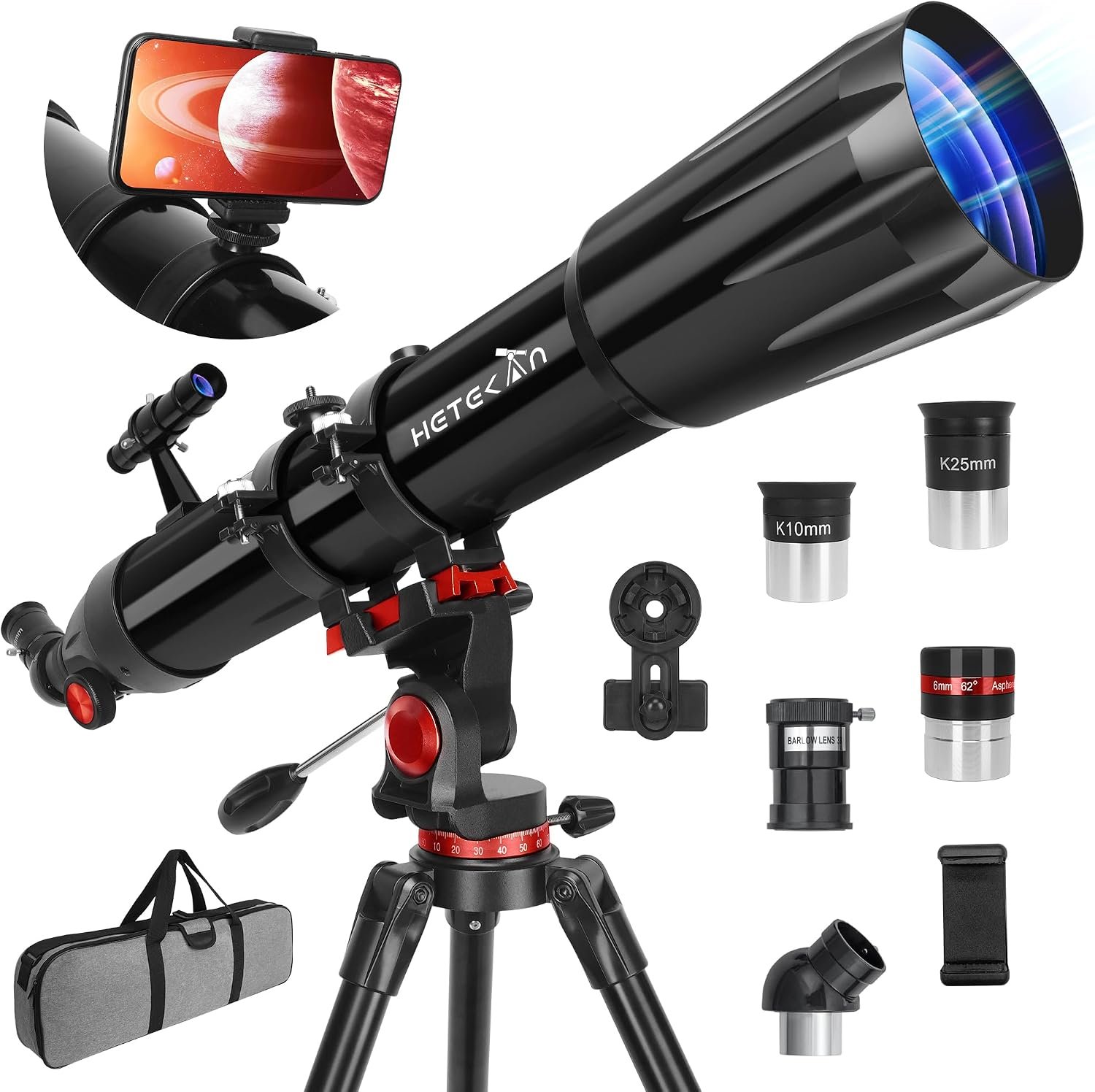
900mm focal length & stainless steel tripod for observing Saturn's rings and Jupiter's atmospheric bands.
Check on Amazon ↗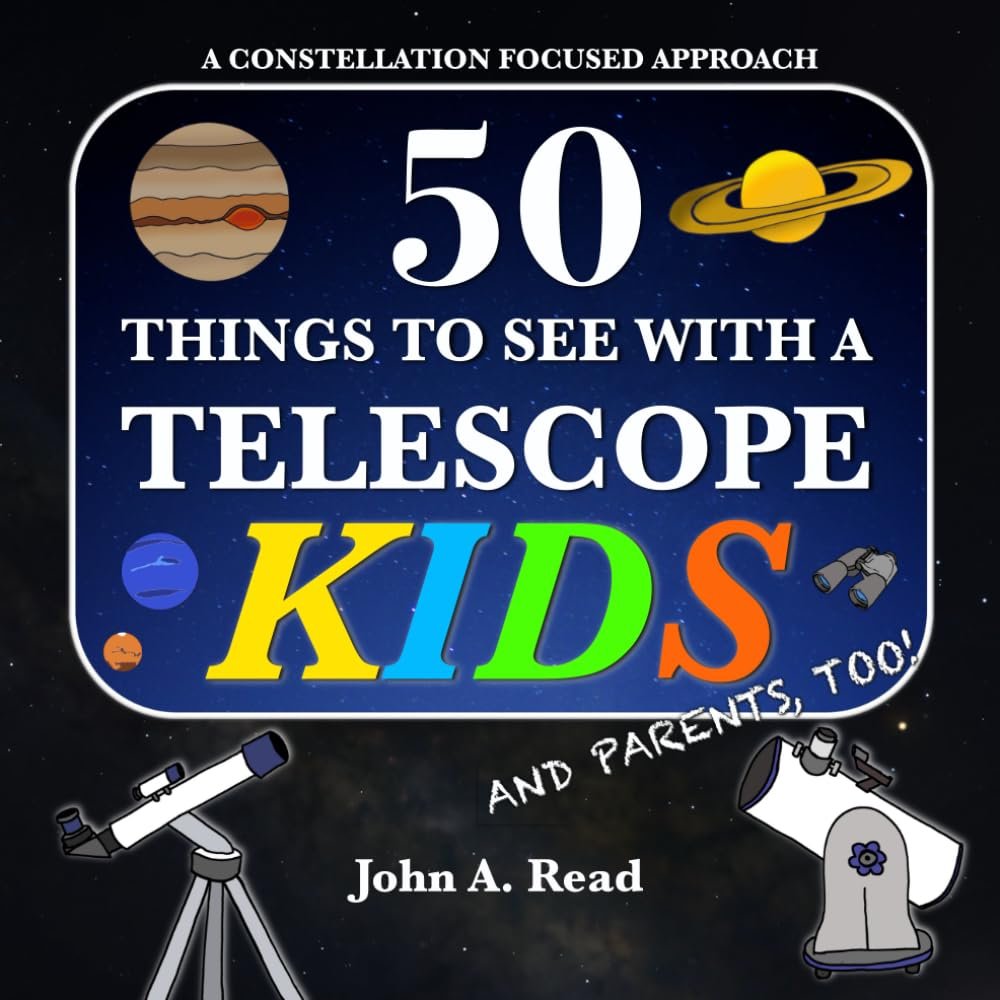
Bestselling stargazing field guide by John A. Read with constellation maps and visual observation charts.
Check on Amazon ↗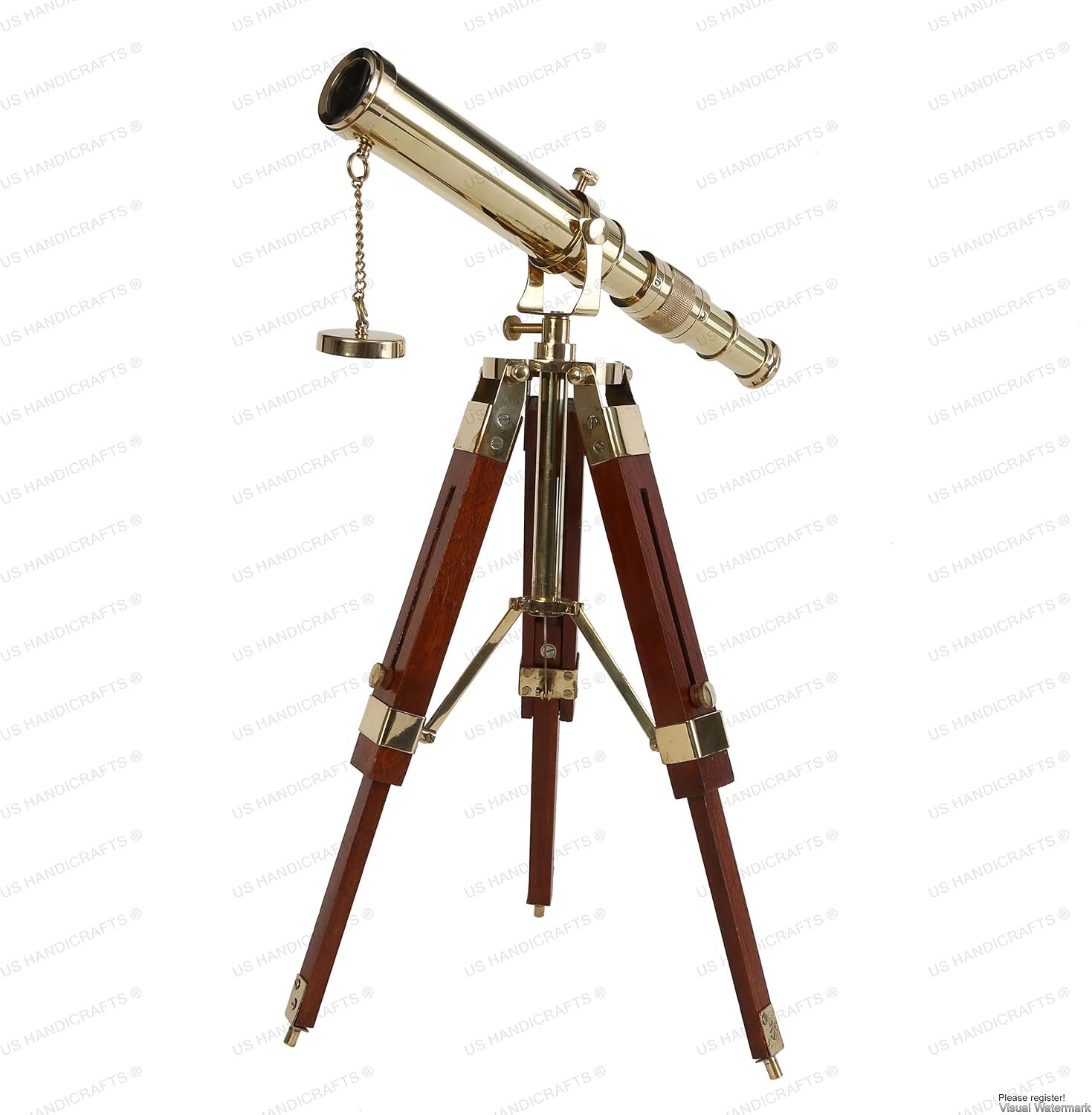
Classic nautical brass & polished wooden tripod telescope for home observatory, study room, or office decor.
Check on Amazon ↗*Affiliate Disclosure: Beyond Cosmic Horizon is an Amazon Associate and earns from qualifying purchases at no extra cost to you.
Frequently Asked Questions (FAQ)
Why is Venus hotter than Mercury despite being farther from the Sun?
Because of a runaway greenhouse effect. Venus’s dense carbon dioxide atmosphere traps thermal infrared radiation, sustaining surface temperatures of ~465°C day and night.
What are Saturn’s rings made of?
Saturn’s rings are 99% pure water ice particles, ranging in size from micrometers to several meters across, with trace silicate and tholin dust contaminants.
Does Jupiter really protect Earth from asteroids?
Yes, Jupiter’s enormous mass acts as a gravitational vacuum, clearing the inner solar system of many long-period comets, though it occasionally perturbs asteroids into Earth-crossing orbits.
Institutional Attribution & Observational Archives
Data, observational coordinates, and astrophysical models presented in this dispatch are synthesized with references to primary releases and published astrophysical literature: