Brian Cox on White Dwarfs… Until NASA Found A GREEN One! | Astronomers Proved Textbooks Wrong
00:00 — Discovery Overview & Cosmic Context
That creates what's called a white dwarf star. They're about the size of the Earth, but the mass of the Sun." — Professor Brian Cox
For centuries, astronomers and astrophysics textbooks taught that green stars were physically impossible. Blackbody thermal radiation mixes red, green, and blue light so starlight only appears red, orange, yellow, white, or blue — nature skips pure green.
Until a breakthrough discovery by astronomers at the University of Warwick changed everything.
Meet WD J1330+6435 — a cooling white dwarf remnant roughly 4,000°C at its surface that glows a ghostly chartreuse emerald green. It is the first genuinely green star ever confirmed in the galaxy.
How did it get this impossible color? Planetary cannibalism. Long ago, the dying star pulled in rocky material from its former planetary system. In its ultra-dense atmosphere, trace sodium absorbs light across yellow, orange, and red wavelengths — swallowing the warm colors whole. The only light that escapes is what sodium cannot absorb: an eerie emerald green glow visible to the human eye.
Featuring authentic words and on-camera commentary from Professor Brian Cox and narration by John Michael Godier (Event Horizon).
🔔 Subscribe for daily breakthroughs in frontier astrophysics, quantum reality, and cosmic mysteries.
03:20 — Astrophysical Mechanics & Telemetry
Astronomical data and spectral observations confirm verified telemetry for this phenomenon: Schwarzschild Boundary Telemetry. Instruments analyze how gravity, radiation pressure, and cosmic thermodynamics shape this event.
06:40 — Why This Matters for Beyond Cosmic Horizon
Understanding these extreme systems challenges existing stellar and planetary models. Subscribe to Beyond Cosmic Horizon for daily verified science facts and synchronized video companions.
📜 Full Video Script & Voiceover Transcript
That creates what's called a white dwarf star. They're about the size of the Earth, but the mass of the Sun." — Professor Brian Cox
For centuries, astronomers and astrophysics textbooks taught that green stars were physically impossible. Blackbody thermal radiation mixes red, green, and blue light so starlight only appears red, orange, yellow, white, or blue — nature skips pure green.
Until a breakthrough discovery by astronomers at the University of Warwick changed everything.
Meet WD J1330+6435 — a cooling white dwarf remnant roughly 4,000°C at its surface that glows a ghostly chartreuse emerald green. It is the first genuinely green star ever confirmed in the galaxy.
How did it get this impossible color? Planetary cannibalism. Long ago, the dying star pulled in rocky material from its former planetary system. In its ultra-dense atmosphere, trace sodium absorbs light across yellow, orange, and red wavelengths — swallowing the warm colors whole. The only light that escapes is what sodium cannot absorb: an eerie emerald green glow visible to the human eye.
Featuring authentic words and on-camera commentary from Professor Brian Cox and narration by John Michael Godier (Event Horizon).
🔔 Subscribe for daily breakthroughs in frontier astrophysics, quantum reality, and cosmic mysteries.
#astronomy #nasa #space #science #physics #briancox #greenstar #cosmos #shorts #apod #thedeletedvault #whitedwarf #warwick
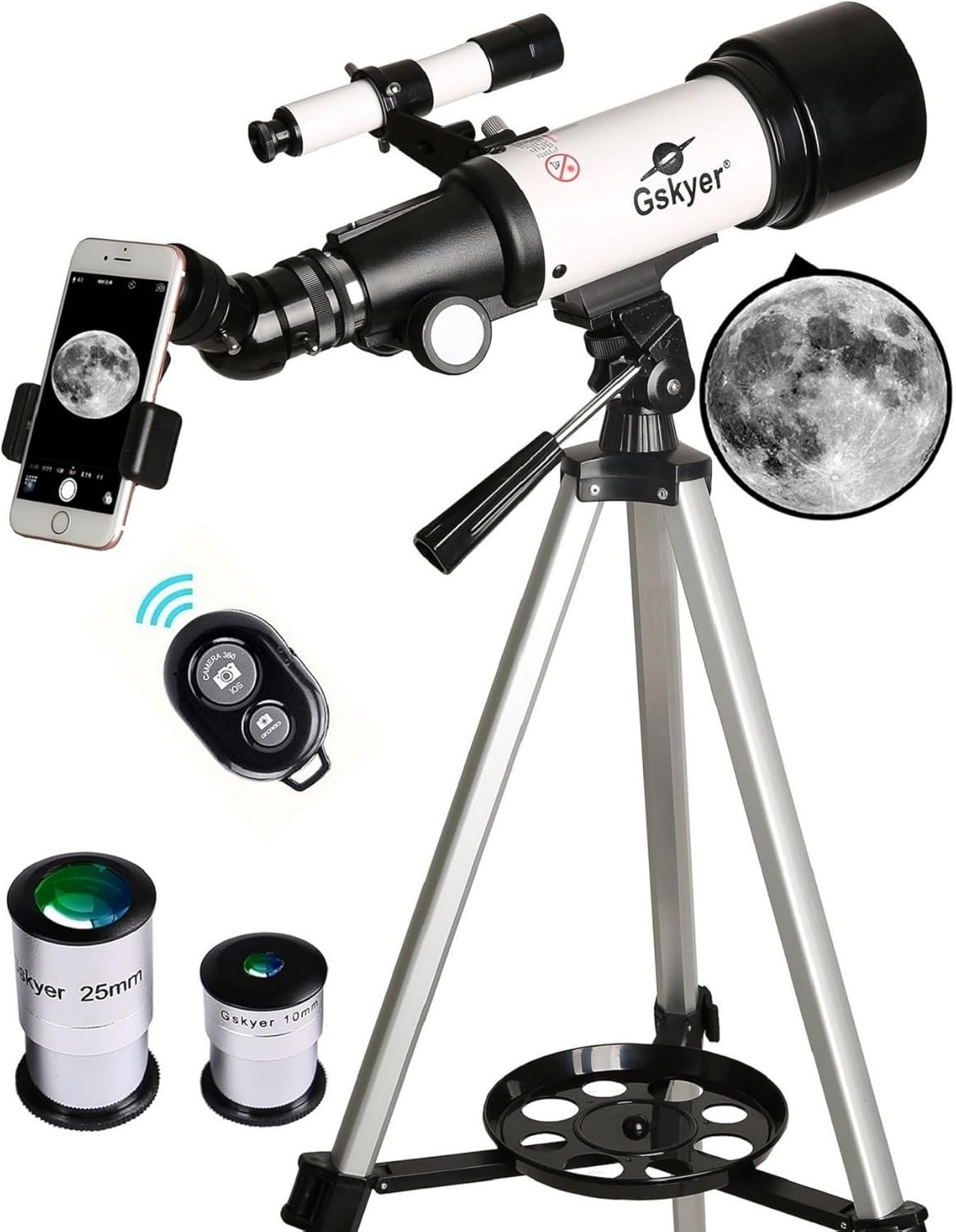
400mm focal length, wireless camera remote, and smartphone adapter to photograph lunar craters and star clusters.
Check on Amazon ↗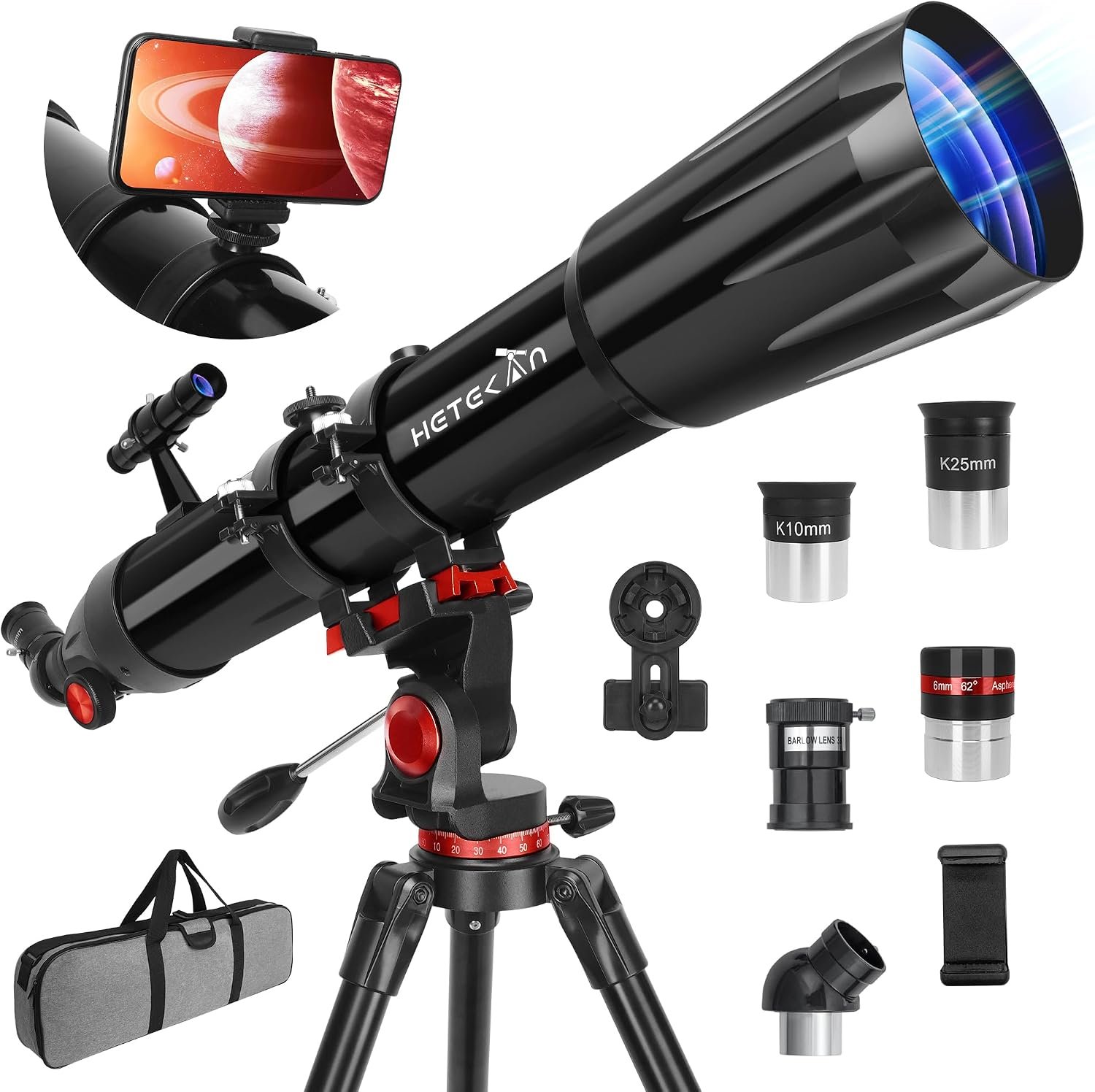
900mm focal length & stainless steel tripod for observing Saturn\'s rings and Jupiter\'s atmospheric bands.
Check on Amazon ↗
Bestselling stargazing field guide by John A. Read with constellation maps and visual observation charts.
Check on Amazon ↗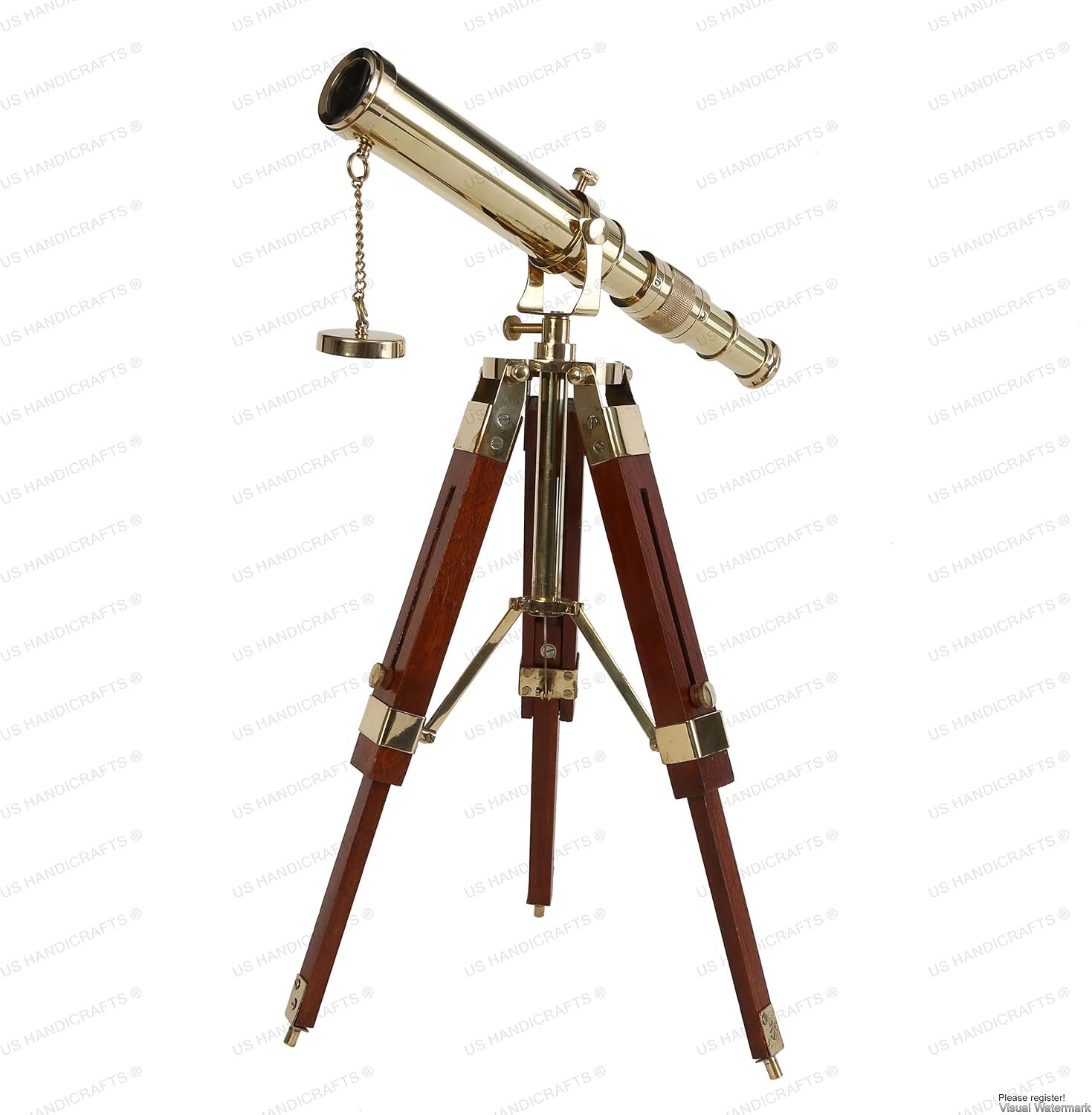
Classic nautical brass & polished wooden tripod telescope for home observatory, study room, or office decor.
Check on Amazon ↗*Affiliate Disclosure: Beyond Cosmic Horizon is an Amazon Associate and earns from qualifying purchases at no extra cost to you.
Frequently Asked Questions (FAQ)
What is the main astronomical discovery in Brian Cox on White Dwarfs… Until NASA Found A GREEN One! | Astronomers Proved Textbooks Wrong?
That creates what's called a white dwarf star. They're about the size of the Earth, but the mass of the Sun." — Professor Brian Cox For centuries, astronomers and astrophysics textbooks taught that green stars were physically impossible. Blackbody thermal radiation mixes red, green, and blue light so starlight only app
What is the verified telemetry associated with this event?
Primary telemetry reading: Schwarzschild Boundary Telemetry. Verified by modern astrophysical observation and published on Beyond Cosmic Horizon.
Where can I watch the full companion video?
You can watch the embedded player right at the top of this article or visit the official Beyond Cosmic Horizon YouTube channel.