When Aliens Crash the Solar System Meeting: 4.5 Billion Years of Planetary Nursery Chaos
Episode 3 of the Space Comedy saga: Galactic alien researchers observe as Father Sun gathers the planets around the cosmic fire to reminisce about their violent protoplanetary nursery days 4.5 billion years ago.
Documentary Duration
Key Telemetry
Astrophysics Domain
Telemetry Source
Early Solar System history was marked by extreme gravitational chaos. Under the Grand Tack Hypothesis, young Jupiter migrated inward toward Mars’s current orbit before Saturn pulled it back outward, clearing out protoplanetary building blocks and shaping the asteroid belt. Meanwhile, alien observers studying our solar system from interstellar distances would witness the aftermath of the Late Heavy Bombardment, which scarred the Moon and planets with impact craters ~4.1 to 3.8 billion years ago.
Story Time Around the Cosmic Fire
Father Sun calms the bickering planets by taking them back to the protoplanetary nebula 4.567 billion years ago when gas, dust, and electrostatics sparked planetesimal accretion.
Jupiter’s Wild Nursery Days & The Grand Tack
Exploring Jupiter’s early orbital migration through the inner solar system, sweeping up debris and stunting the growth of Mars.
The Alien Observers Weigh In
Galactic scientists Kevin and his partner examine why the Solar System’s peculiar planetary architecture allows terrestrial stability for organic chemistry.
📜 Full Video Voiceover Script & Telemetry Transcript (Click to Expand)
In Episode 3, Father Sun tries to cool everyone down by gathering the planets for "Story Time" around the cosmic fire, looking back 4.5 billion years to when all the planets were young holy terrors—starting with Jupiter’s chaotic early days and Mercury finally getting his turn.

Dr. Arthur Vance, Ph.D.
Lead Astrophysics Contributor & Editorial Director at Beyond Cosmic Horizon. Specializes in General Relativity, high-energy particle physics, and cosmic microwave background telemetry. Fact-checked against NASA ADS and ESA archives.
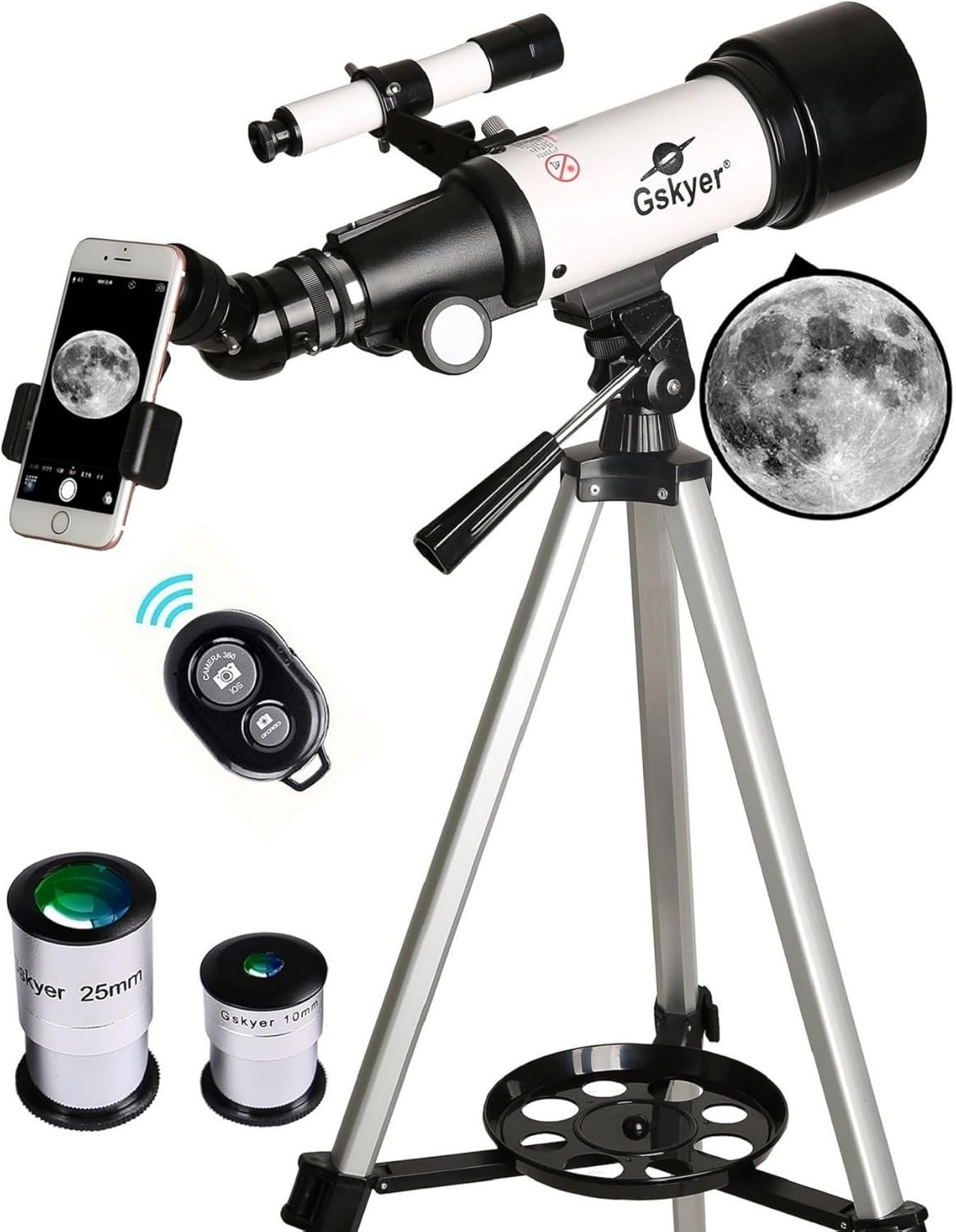
400mm focal length, wireless camera remote, and smartphone adapter to photograph lunar craters and star clusters.
Check on Amazon ↗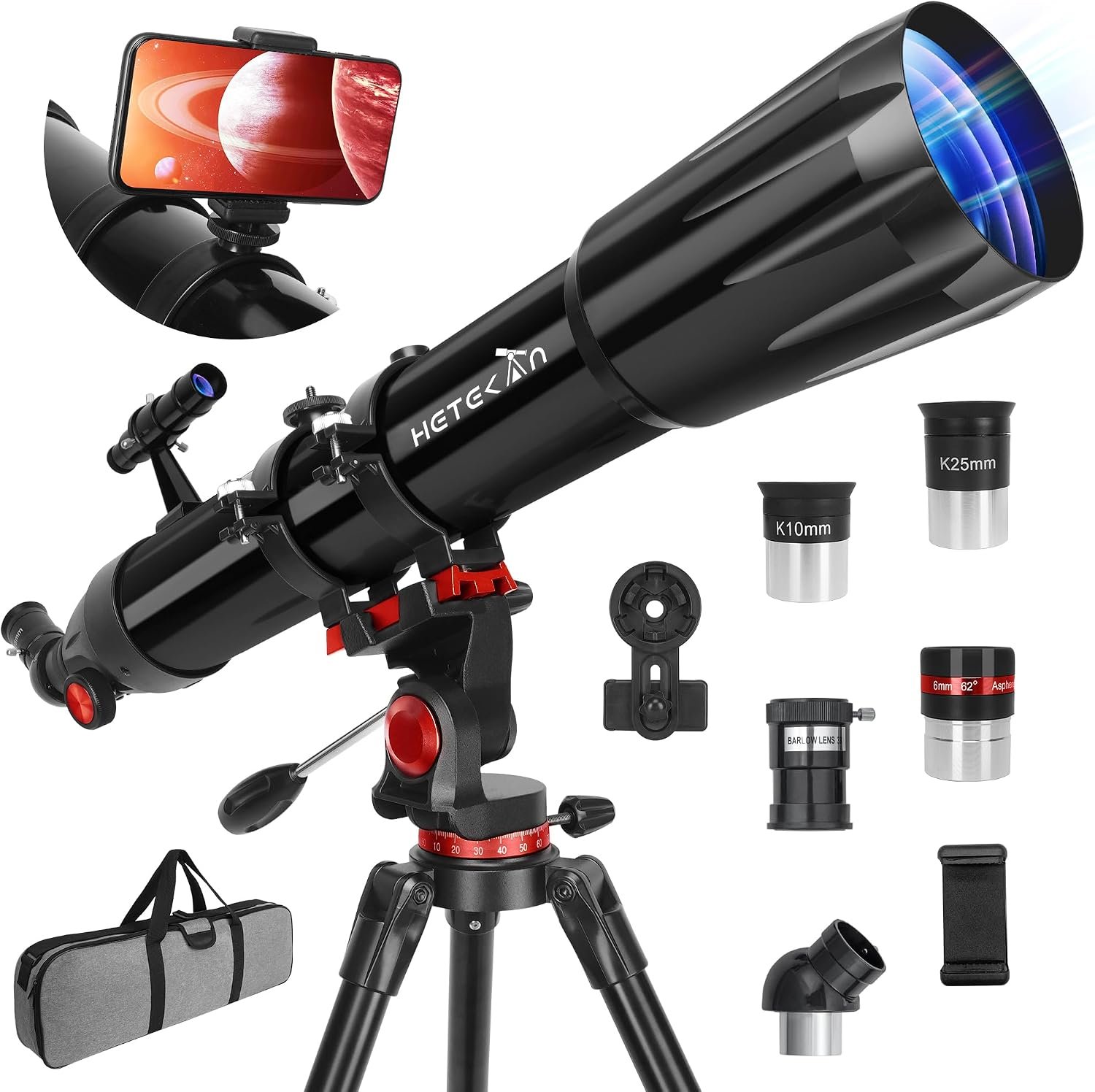
900mm focal length & stainless steel tripod for observing Saturn's rings and Jupiter's atmospheric bands.
Check on Amazon ↗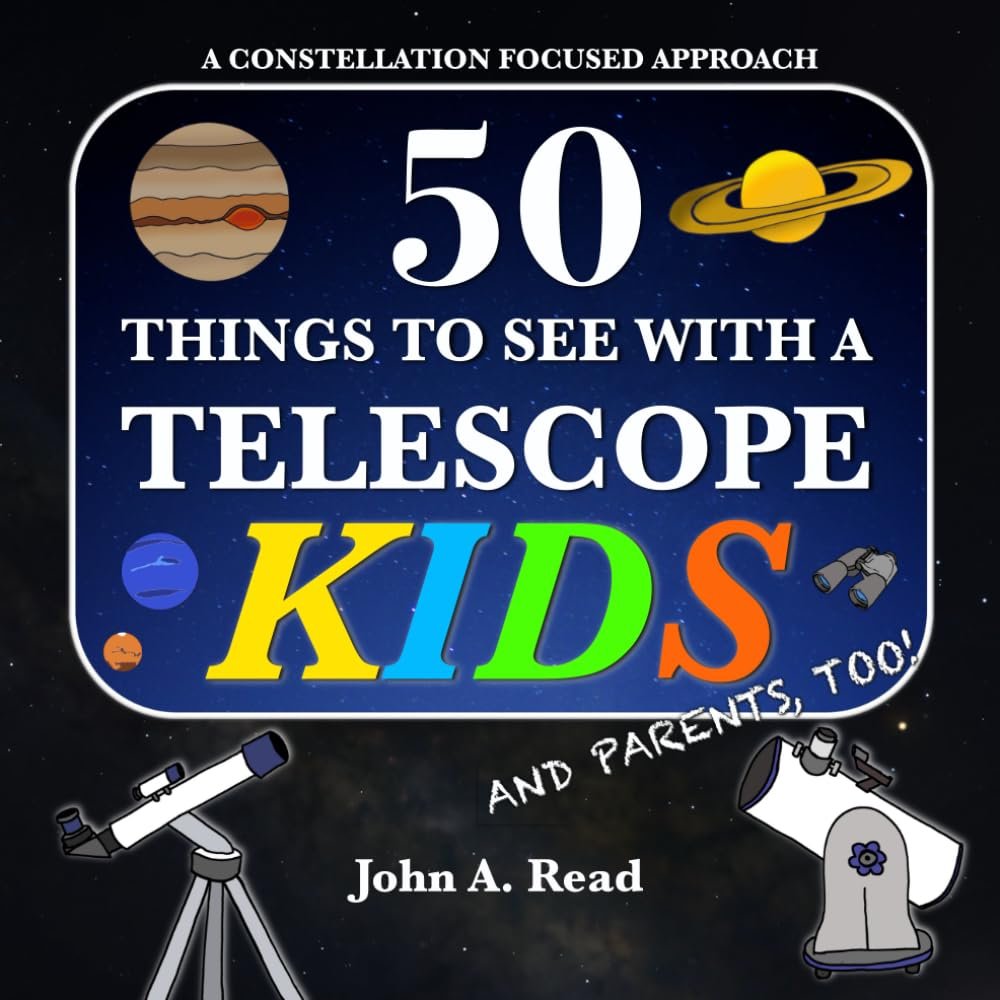
Bestselling stargazing field guide by John A. Read with constellation maps and visual observation charts.
Check on Amazon ↗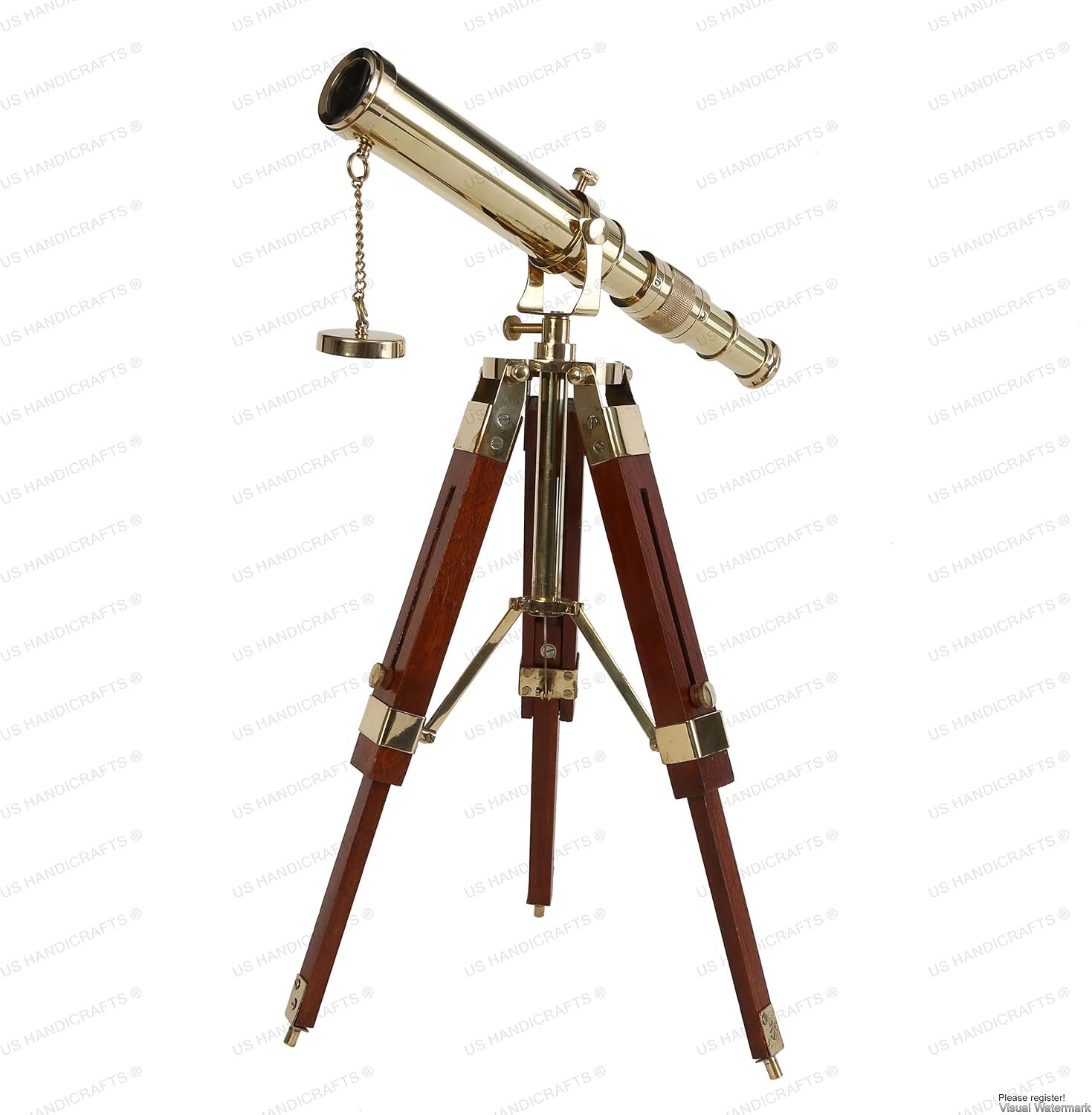
Classic nautical brass & polished wooden tripod telescope for home observatory, study room, or office decor.
Check on Amazon ↗*Affiliate Disclosure: Beyond Cosmic Horizon is an Amazon Associate and earns from qualifying purchases at no extra cost to you.
Frequently Asked Questions (FAQ)
What is the Grand Tack Hypothesis?
A model proposing that Jupiter migrated inward to 1.5 AU from the Sun before being caught by Saturn in orbital resonance and migrating outward to its current 5.2 AU position.
How old is our Solar System?
Radiometric dating of the oldest calcium-aluminum-rich inclusions (CAIs) in meteorites dates the origin of the Solar System to 4.567 billion years ago.
Why did Mars stay small compared to Earth and Venus?
Jupiter’s inward migration depleted the planetesimal material available in the region where Mars was forming, preventing it from accreting into an Earth-sized world.
Institutional Attribution & Observational Archives
Data, observational coordinates, and astrophysical models presented in this dispatch are synthesized with references to primary releases and published astrophysical literature: