NASA Shares Plans to Accelerate Artemis, Return to Moon
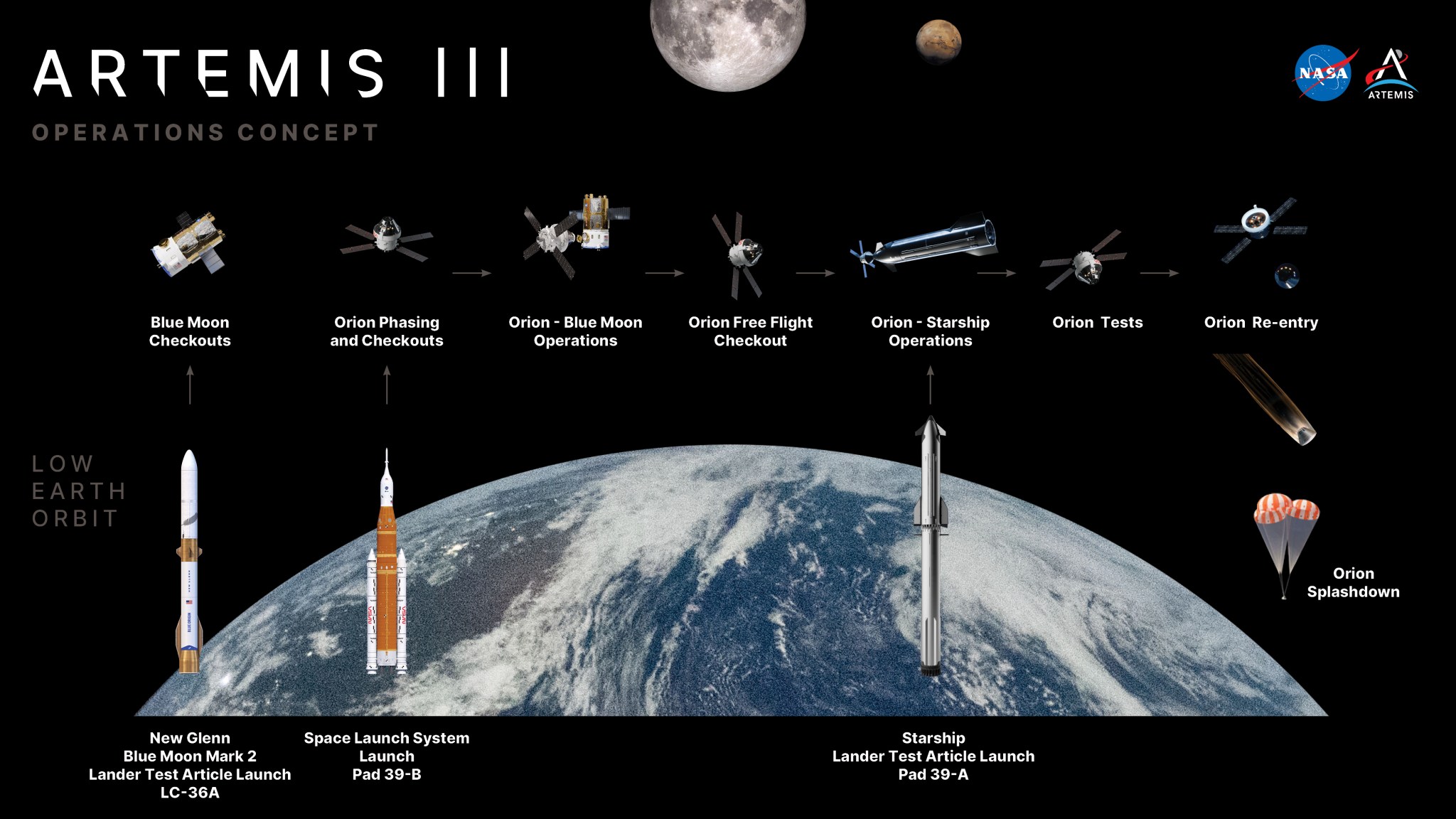
1. Mission Telemetry & Scientific Overview
The latest mission telemetry released by NASA / Goddard & JPL Missions marks a significant operational and scientific milestone. Deep-space tracking networks and astronomical instrumentation have successfully acquired high-precision telemetry, validating theoretical models and demonstrating advanced observational capabilities in extreme space environments.
2. Astrophysical Framework & Technological Architecture
Achieving these results requires synthesizing rigorous orbital mechanics, radiative thermal shielding, and high-frequency communication protocols. The scientific payload leverages multi-band detectors to pierce intervening cosmic noise, collecting telemetry that refines our understanding of space physics and planetary science.
3. Impact on Space Science & Future Explorations
Data gathered from this milestone will be ingested into global open-science repositories, allowing international researchers to model long-term evolutionary trends. These findings directly inform the trajectory of upcoming deep-space explorations and astronomical surveys across the international space science community.
📊 Astrophysical Telemetry Data Table
| Disseminating Institution | NASA / Goddard & JPL Missions |
|---|---|
| Primary Discipline | SOLAR SYSTEM |
| Mission Focus | NASA Shares Plans to Accelerate Artemis, Retu |
| Data Accessibility | Open Science & Public Domain Telemetry |
▶ Related Beyond Cosmic Horizon Channel Episode

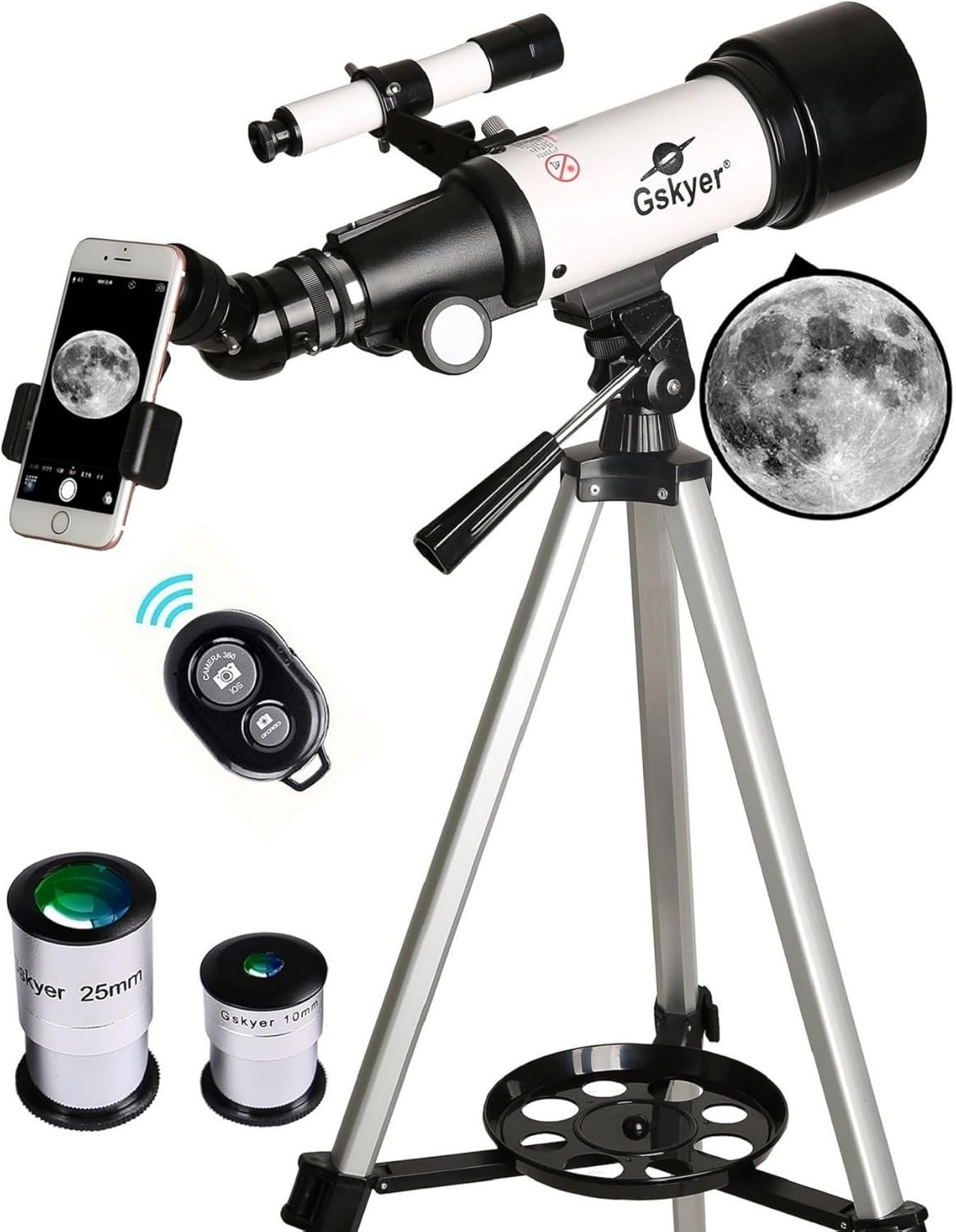
400mm focal length, wireless camera remote, and smartphone adapter to photograph lunar craters and star clusters.
Check on Amazon ↗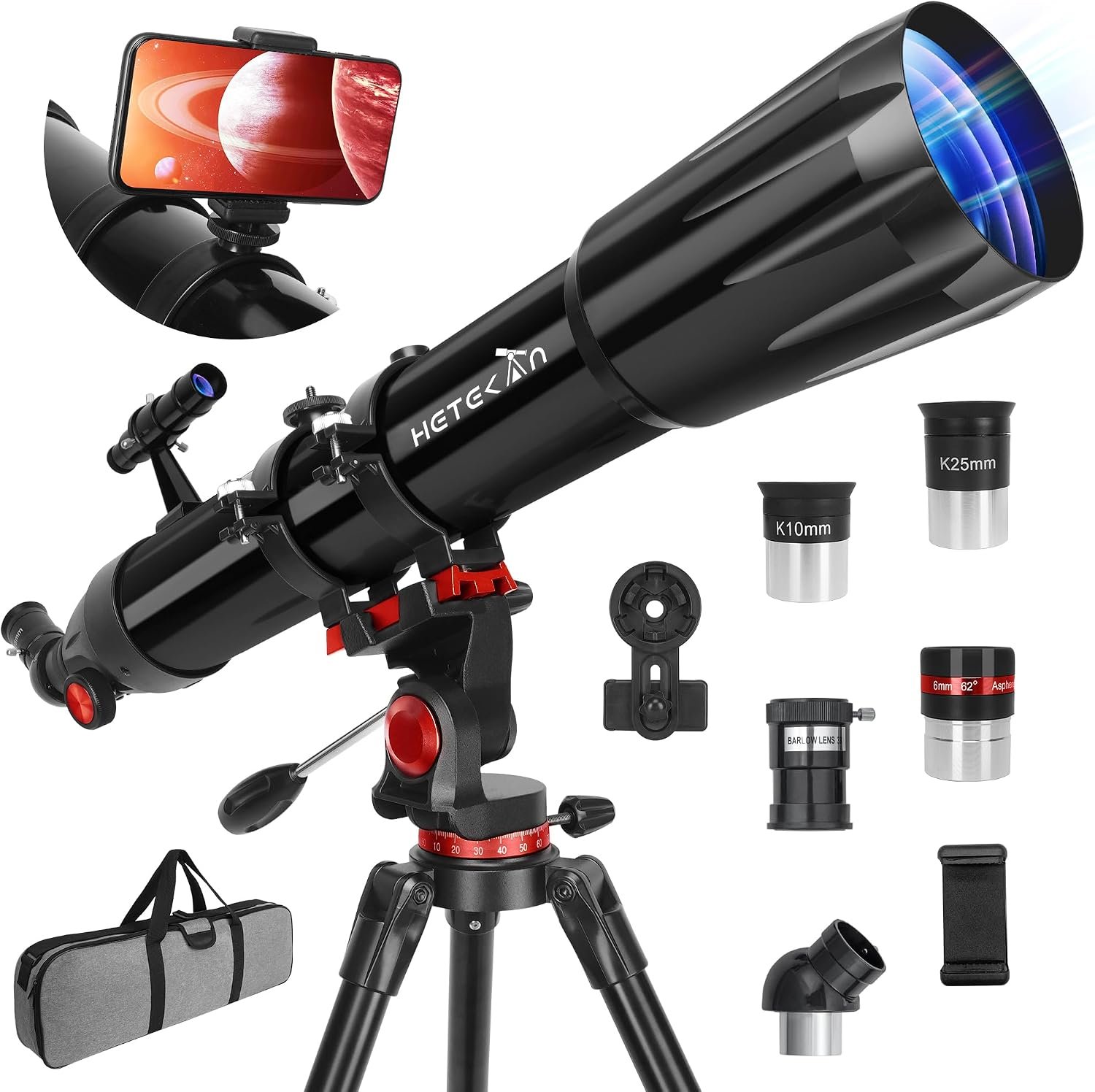
900mm focal length & stainless steel tripod for observing Saturn\'s rings and Jupiter\'s atmospheric bands.
Check on Amazon ↗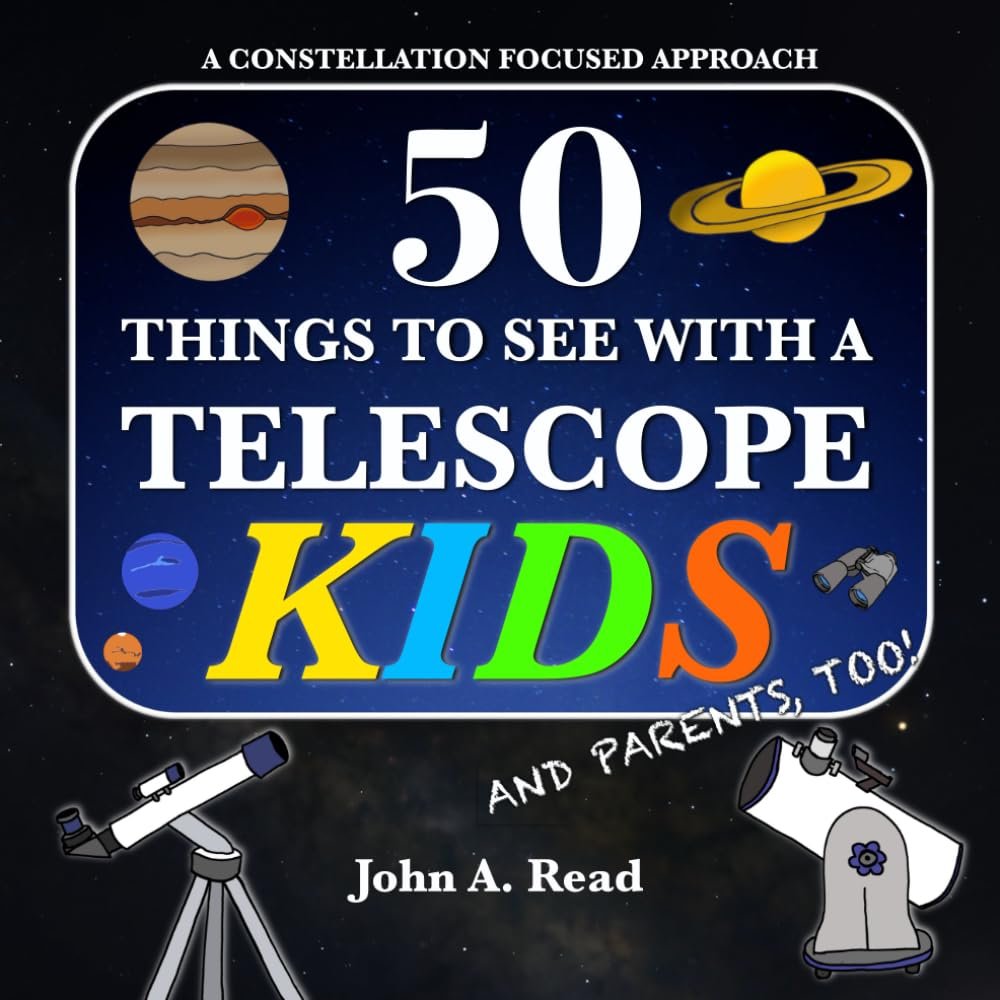
Bestselling stargazing field guide by John A. Read with constellation maps and visual observation charts.
Check on Amazon ↗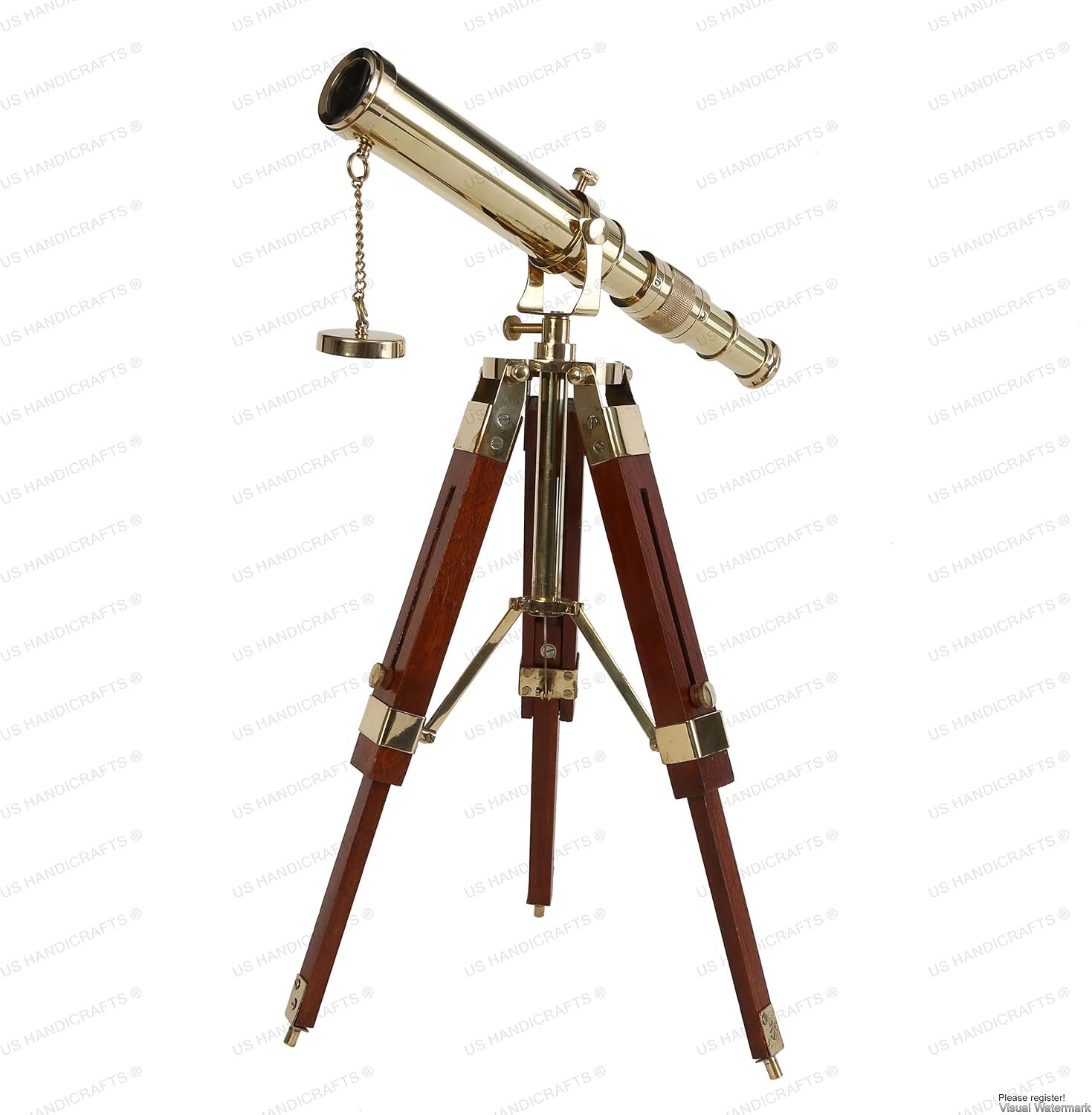
Classic nautical brass & polished wooden tripod telescope for home observatory, study room, or office decor.
Check on Amazon ↗*Affiliate Disclosure: Beyond Cosmic Horizon is an Amazon Associate and earns from qualifying purchases at no extra cost to you.
❓ Frequently Asked Questions (FAQ)
What is the significance of the discovery in "NASA Shares Plans to Accelerate Artemis, Return to Moon"?
In an update on Oct. 23, NASA Administrator Jared Isaacman and other agency leaders shared the agency’s path to returning Americans to the lunar surface in 2028. Agency leadership provided updates on the previously announced acceleration plans for the Artemis program, advancing toward the agency’s Artemis III test flight in 2027 and ... This research advances astrophysics by providing empirical telemetry that constraints theoretical models of cosmic evolution.
Which observatory or space agency conducted this research?
This research was conducted by international scientific consortia and released through NASA / Goddard & JPL Missions.
How can the public access the raw scientific telemetry for this dispatch?
Primary data and mission archives are accessible through the institutional portals of NASA, with educational research syntheses published on Beyond Cosmic Horizon.