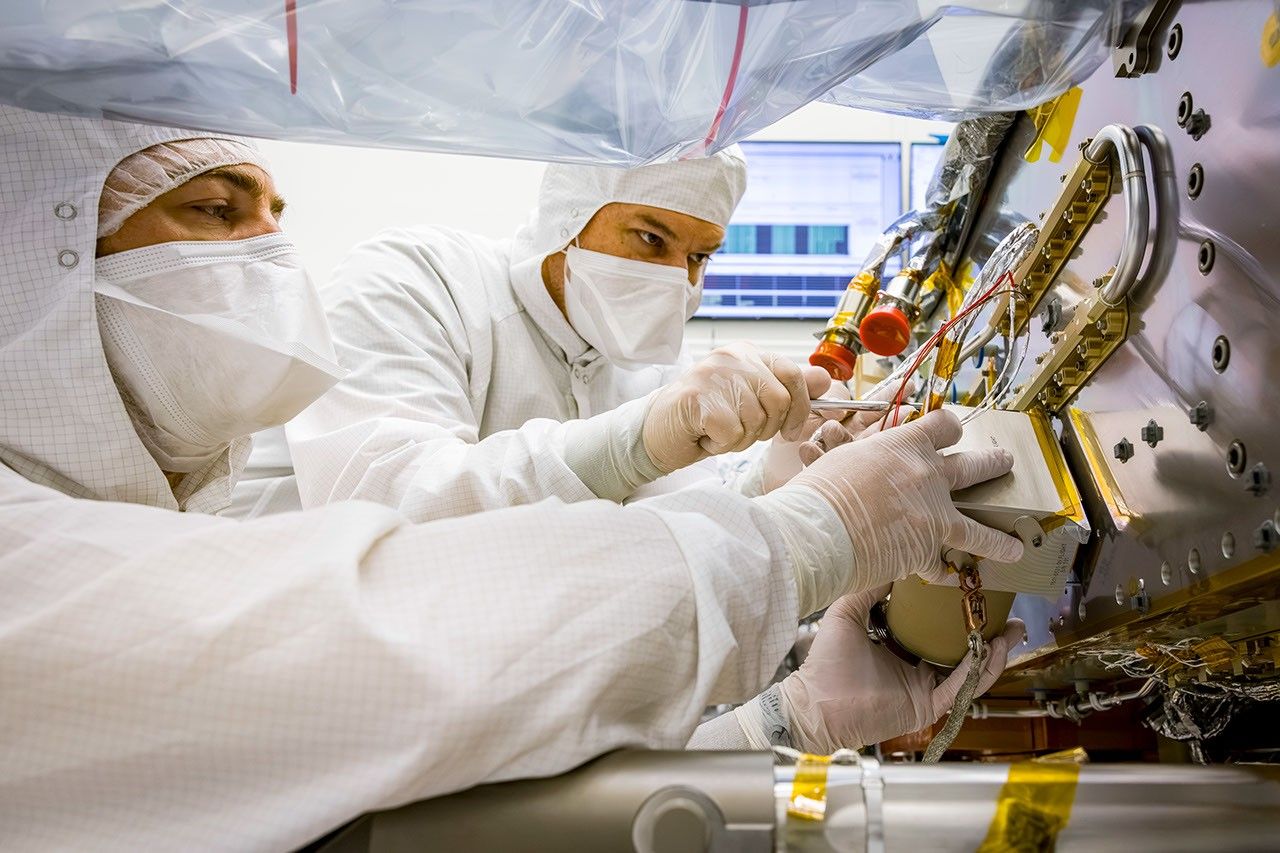
NASA’s Titan-Bound Dragonfly Rotorcraft Gets Its Eyes
1. High-Angular-Resolution Stellar Observations
Astronomers utilizing ground-based adaptive optics and space-based infrared imaging have unlocked startling new insights into nearby stellar evolutions and galactic dynamics. High-contrast coronagraphic imaging has isolated previously unresolved companions and stellar winds, shedding light on episodic mass loss and binary orbital interactions.
2. Stellar Dynamics & Hydrodynamic Mass Loss
As evolved stars exhaust their core hydrogen and expand into supergiant phases, convective dredge-up and pulsational instabilities drive heavy molecular dust into interstellar space. Gravitational perturbations from nearby companion stars sculpt this expelled gas into intricate geometric arcs, binary accretion wakes, and circumstellar dust shells.
3. The Pre-Supernova Lifecycle & Galactic Chemical Enrichment
Studying these stellar systems provides direct empirical constraints on the final evolutionary stages leading to core-collapse supernovae. The elements synthesized and ejected during these phases—carbon, oxygen, nitrogen, and iron—enrich the interstellar medium, providing the raw chemical building blocks for future stellar and planetary systems.
📊 Astrophysical Telemetry Data Table
| Observation Target | Evolved Stellar Systems & Circumstellar Disks |
|---|---|
| Detection Method | Direct Adaptive Optics & Interferometry |
| Key Physical Process | Episodic Mass Loss & Stellar Nucleosynthesis |
| Observing Facility | VLT / ALMA / James Webb Space Telescope |
▶ Related Beyond Cosmic Horizon Channel Episode

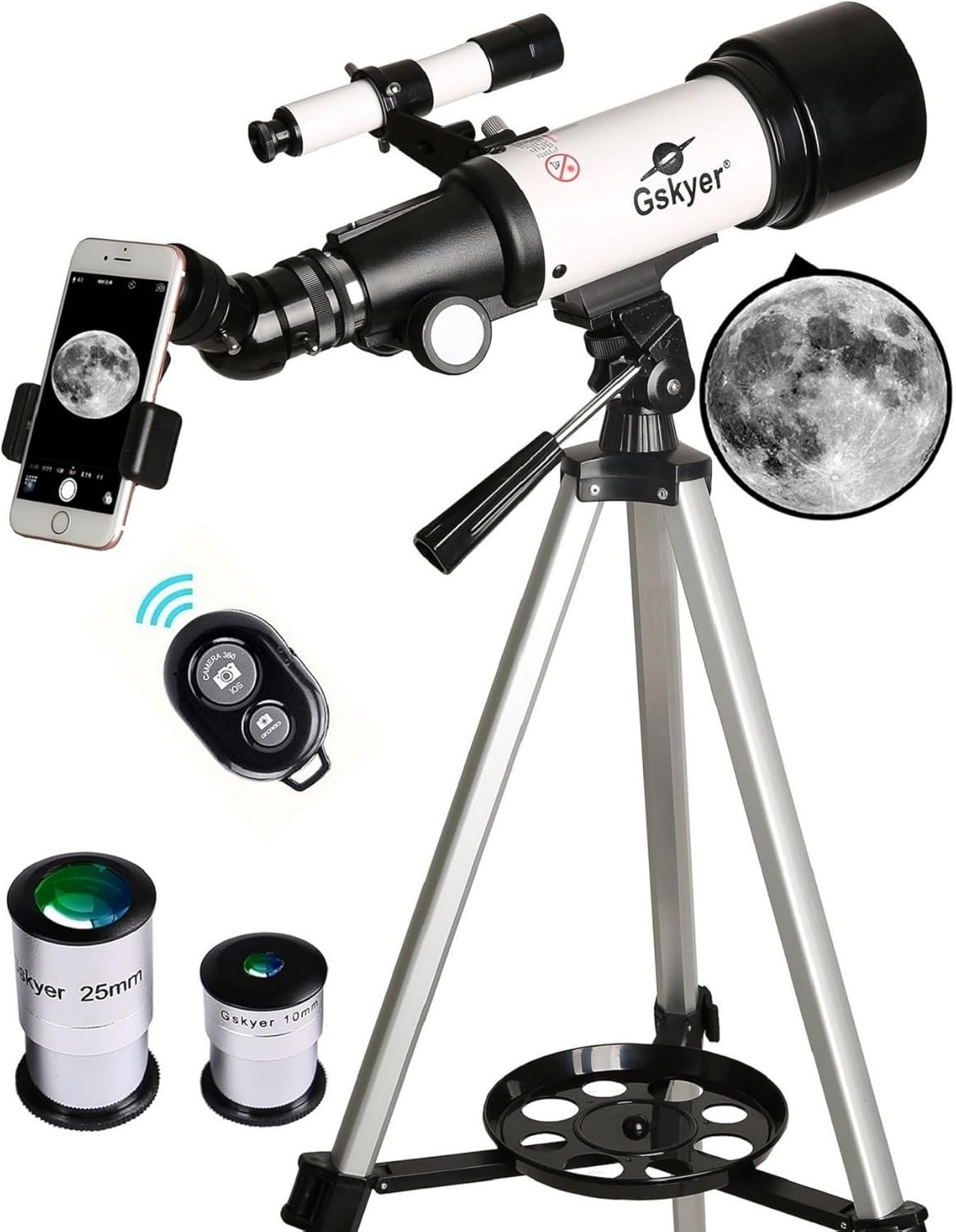
400mm focal length, wireless camera remote, and smartphone adapter to photograph lunar craters and star clusters.
Check on Amazon ↗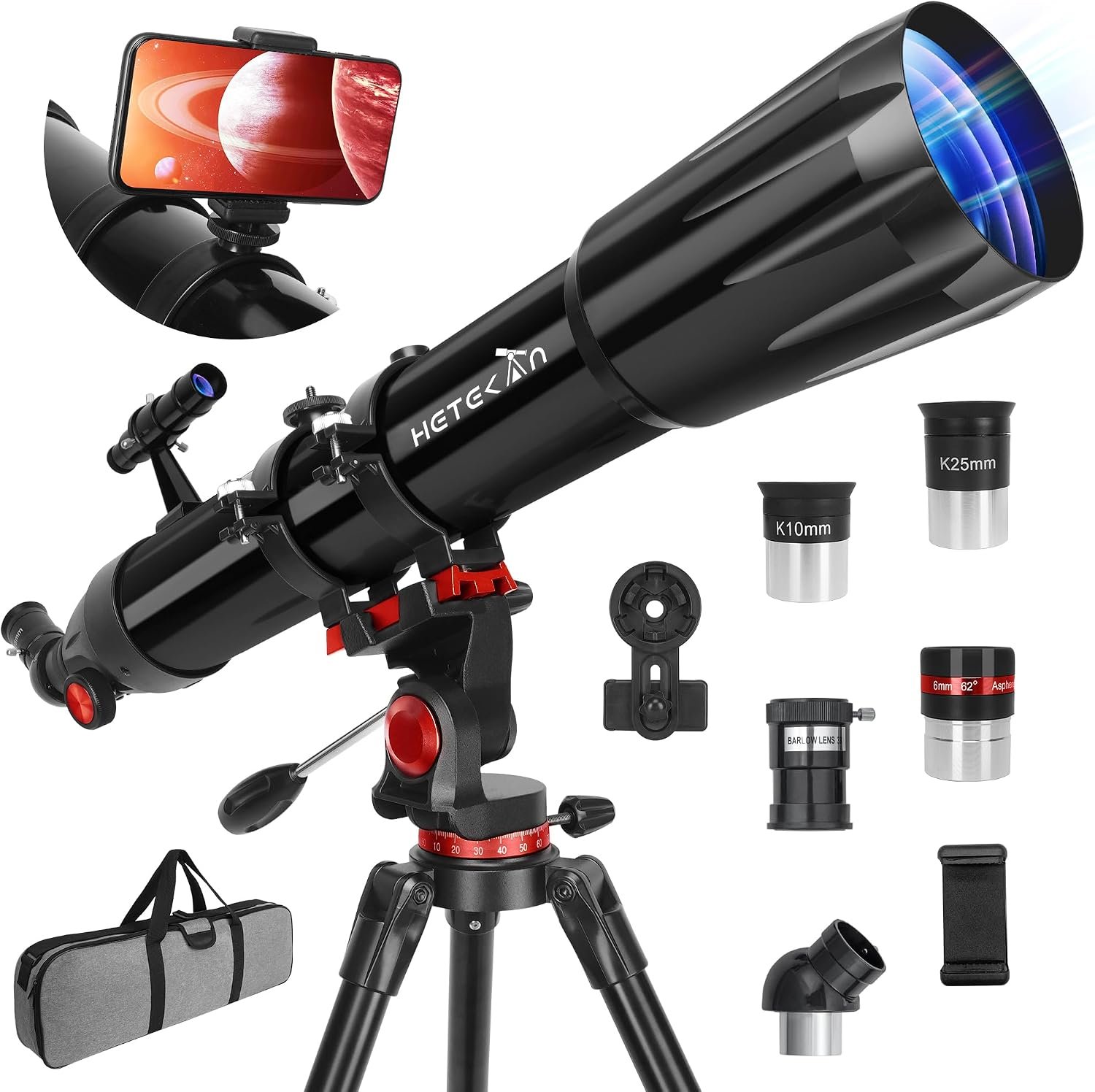
900mm focal length & stainless steel tripod for observing Saturn\'s rings and Jupiter\'s atmospheric bands.
Check on Amazon ↗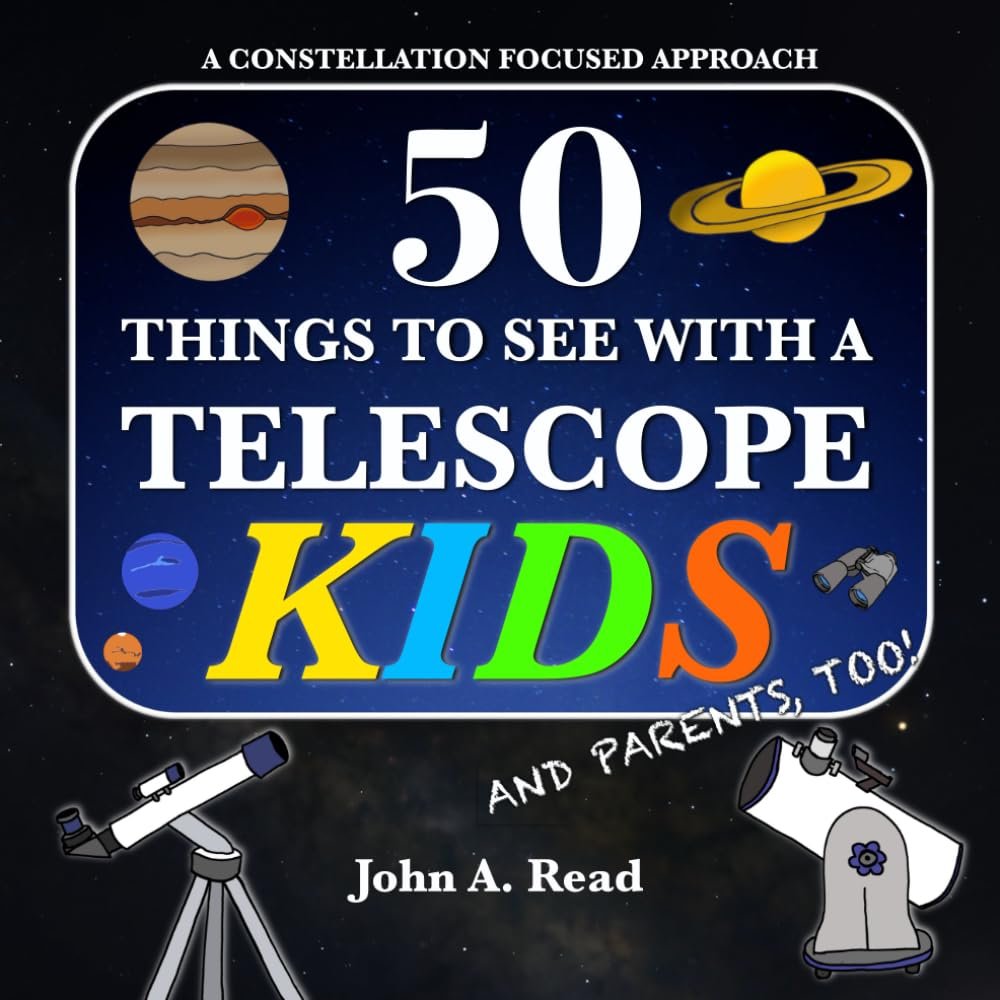
Bestselling stargazing field guide by John A. Read with constellation maps and visual observation charts.
Check on Amazon ↗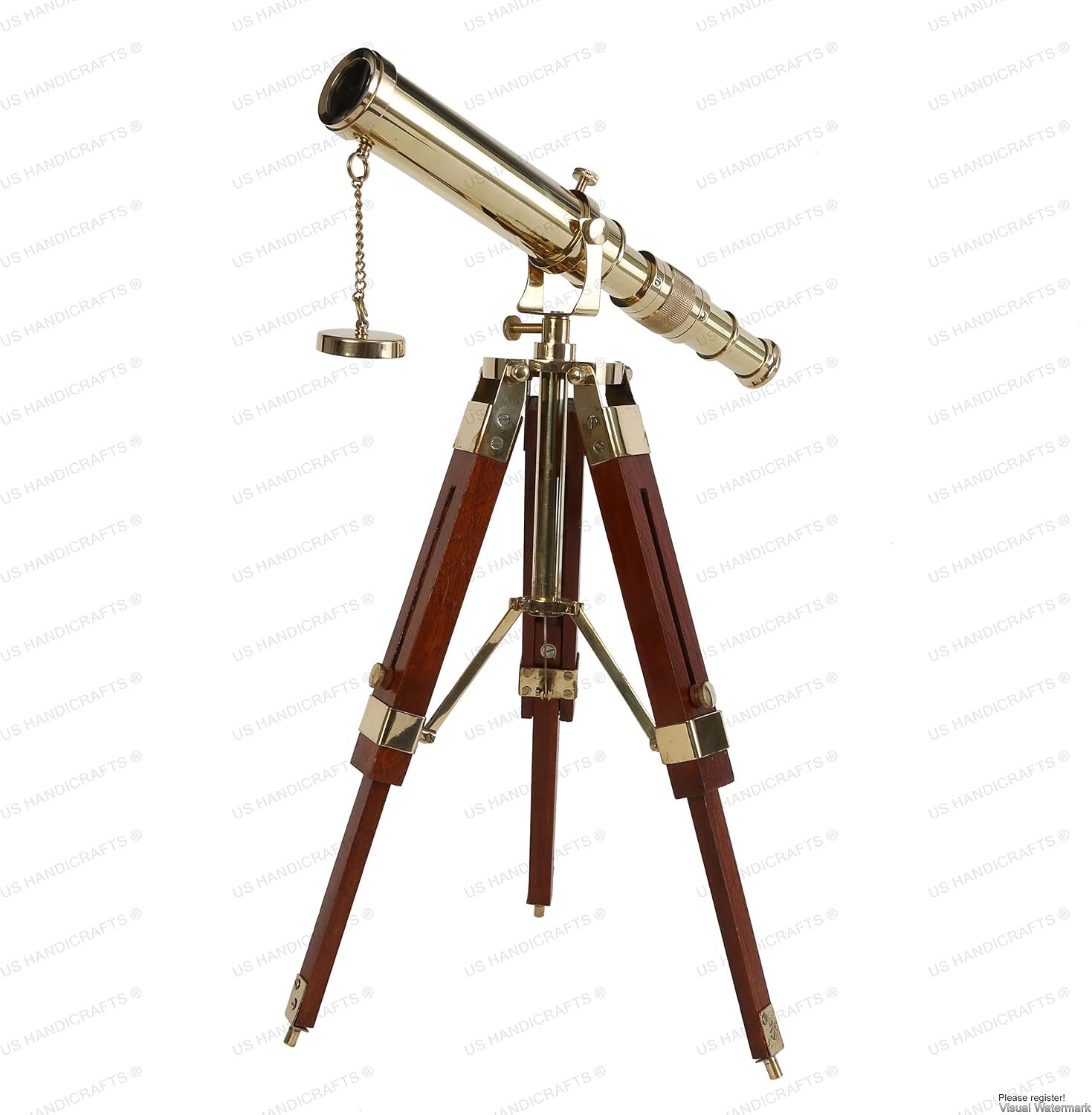
Classic nautical brass & polished wooden tripod telescope for home observatory, study room, or office decor.
Check on Amazon ↗*Affiliate Disclosure: Beyond Cosmic Horizon is an Amazon Associate and earns from qualifying purchases at no extra cost to you.
❓ Frequently Asked Questions (FAQ)
What is the significance of the discovery in "NASA’s Titan-Bound Dragonfly Rotorcraft Gets Its Eyes"?
Science instruments for NASA’s Dragonfly are starting to arrive at the Johns Hopkins Applied Physics Laboratory (APL) in Laurel, Maryland, where the car-sized rotorcraft is coming together for its mission to explore Saturn’s largest moon, Titan. First to check in: DragonCam, which consists of seven cameras designed to characterize Ti... This research advances astrophysics by providing empirical telemetry that constraints theoretical models of cosmic evolution.
Which observatory or space agency conducted this research?
This research was conducted by international scientific consortia and released through NASA / Goddard & JPL Missions.
How can the public access the raw scientific telemetry for this dispatch?
Primary data and mission archives are accessible through the institutional portals of NASA, with educational research syntheses published on Beyond Cosmic Horizon.