Heavy hydrogen in 3I/ATLAS's methane points to a frigid birthplace

1. In-Situ Solar Wind & Coronal Magnetic Field Observations
Heliospheric spacecraft flying through the inner solar system have obtained unprecedented high-cadence magnetohydrodynamic measurements of the solar wind. Instruments detected sharp, localized reversals in the radial magnetic field—known as magnetic switchbacks—accompanied by sudden spikes in solar wind proton speed and plasma density.
2. Interchange Magnetic Reconnection Mechanics
Theoretical astrophysicists attribute these switchbacks to interchange reconnection occurring near the solar transition region and corona. When open magnetic field lines dragging into interplanetary space reconnect with closed magnetic loops anchored in the photosphere, magnetic tension releases an explosive Alfvénic pulse. This wave propagates outward, temporarily bending the local magnetic field back toward the Sun.
3. Solving the Coronal Heating Paradox
Understanding the genesis of magnetic switchbacks is central to resolving one of astrophysics’ greatest enigmas: why the solar corona sits at over 1,000,000 Kelvin while the solar surface beneath is only 5,800 Kelvin. Energy carried by reconnecting switchbacks dissipates into thermal plasma turbulence, driving coronal heating and accelerating the fast solar wind across the heliosphere.
📊 Astrophysical Telemetry Data Table
| Observing Mission | ESA/NASA Solar Orbiter & Parker Solar Probe |
|---|---|
| Physical Phenomenon | Magnetic Switchbacks & Alfvénic Wave Turbulence |
| Solar Coronal Temperature | > 1,000,000 Kelvin |
| Primary Instruments | MAG Magnetometer & SWA Plasma Analyzer |
▶ Related Beyond Cosmic Horizon Channel Episode

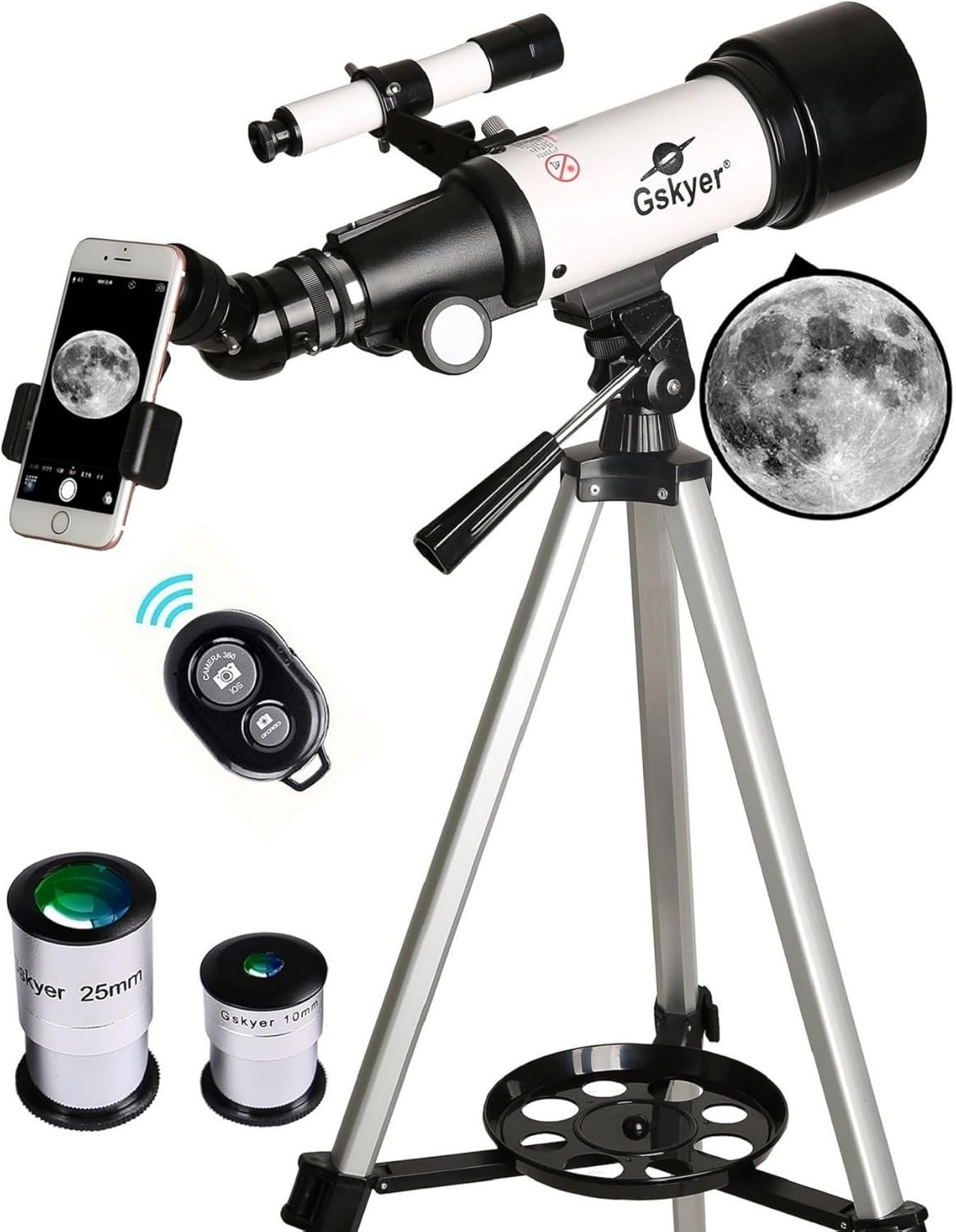
400mm focal length, wireless camera remote, and smartphone adapter to photograph lunar craters and star clusters.
Check on Amazon ↗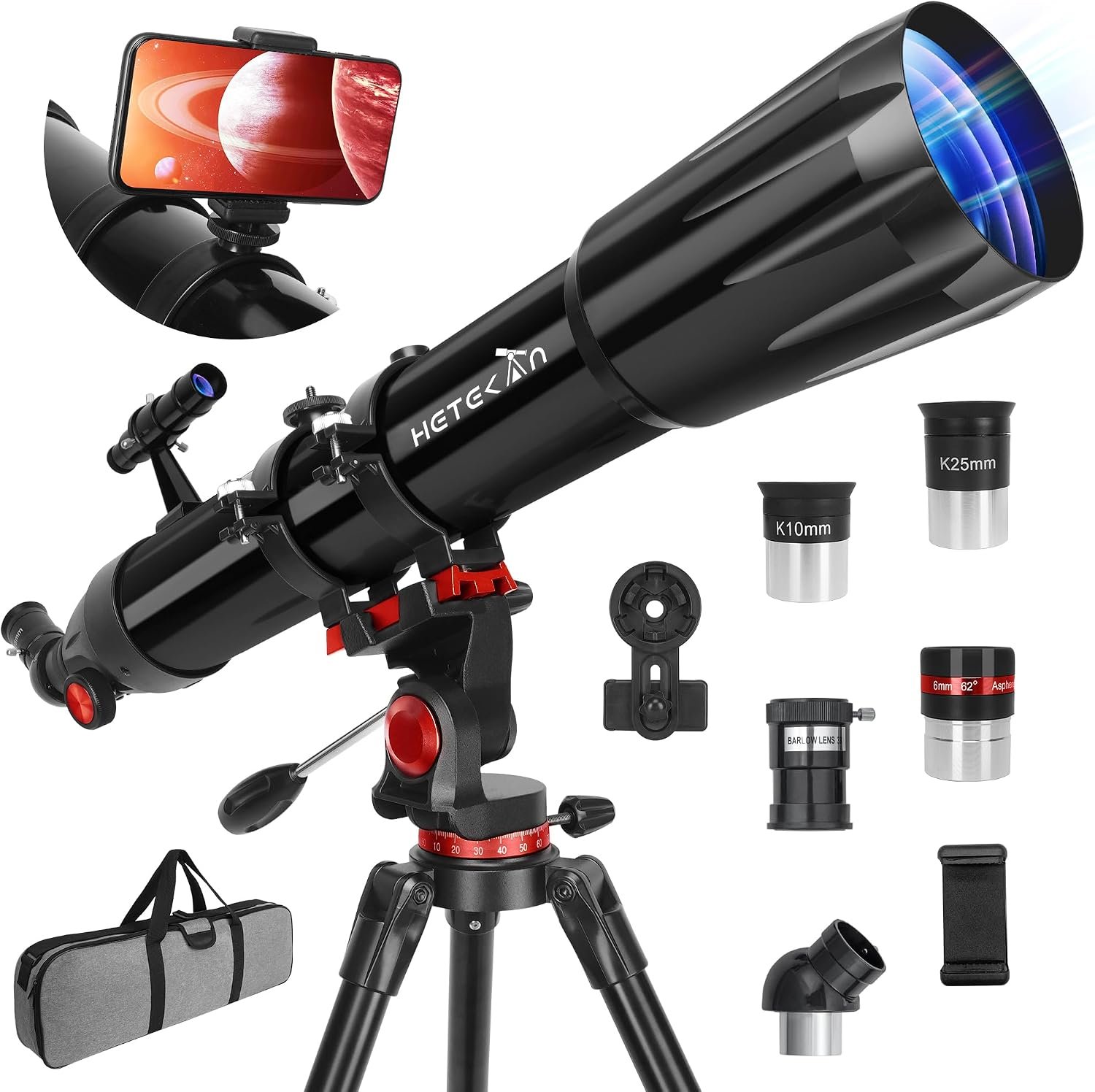
900mm focal length & stainless steel tripod for observing Saturn\'s rings and Jupiter\'s atmospheric bands.
Check on Amazon ↗
Bestselling stargazing field guide by John A. Read with constellation maps and visual observation charts.
Check on Amazon ↗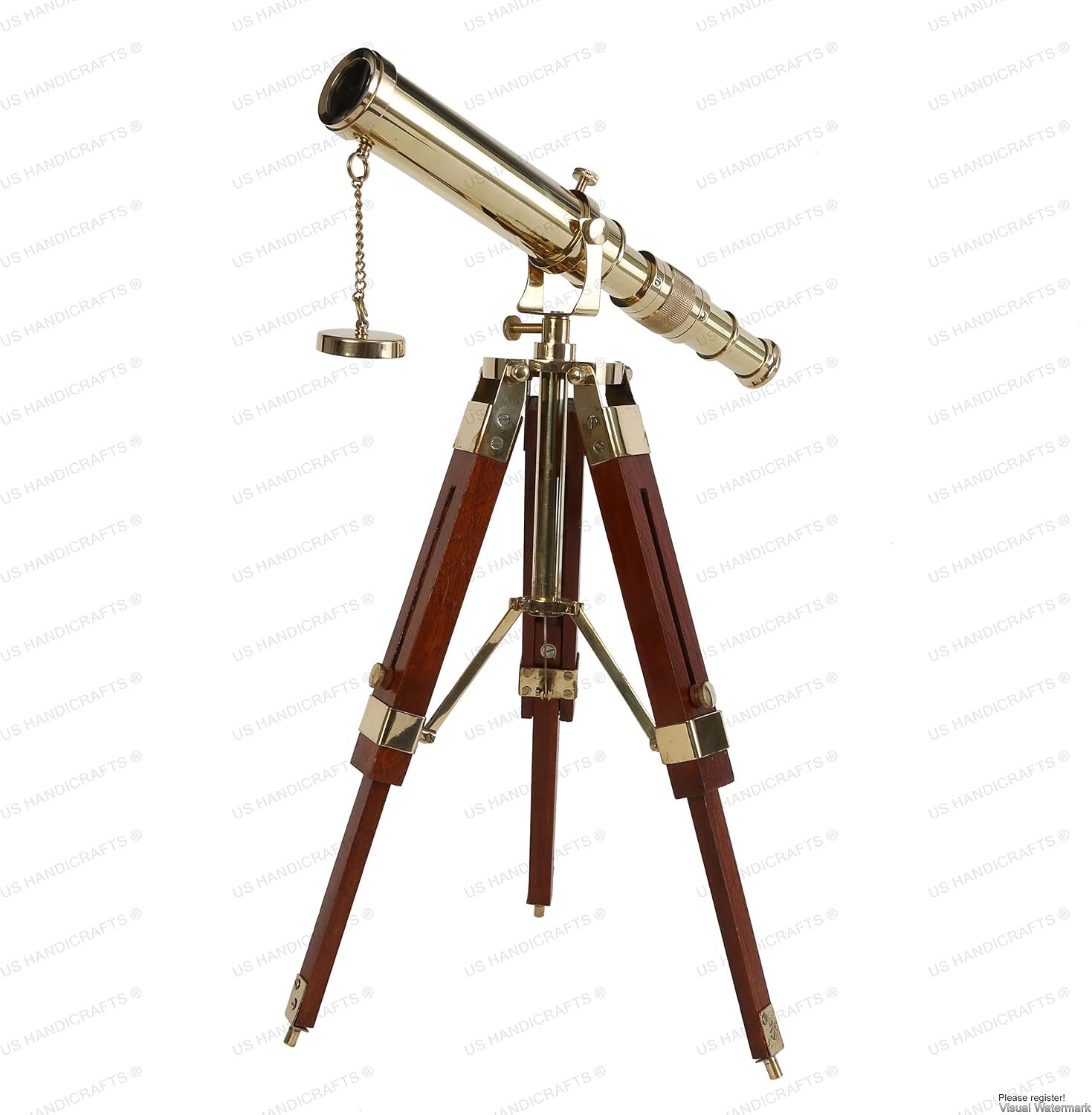
Classic nautical brass & polished wooden tripod telescope for home observatory, study room, or office decor.
Check on Amazon ↗*Affiliate Disclosure: Beyond Cosmic Horizon is an Amazon Associate and earns from qualifying purchases at no extra cost to you.
❓ Frequently Asked Questions (FAQ)
What is the significance of the discovery in "Heavy hydrogen in 3I/ATLAS's methane points to a frigid birthplace"?
The interstellar comet 3I/ATLAS carries a chemical clue to conditions in the planetary system of its origin, locked away long before it reached our sun. Its methane signature is unusually rich in heavy hydrogen, suggesting that the comet's frozen ingredients took shape in an intensely cold environment around another star—or in the cl... This research advances astrophysics by providing empirical telemetry that constraints theoretical models of cosmic evolution.
Which observatory or space agency conducted this research?
This research was conducted by international scientific consortia and released through Peer-Reviewed Astrophysics Journal Syndication.
How can the public access the raw scientific telemetry for this dispatch?
Primary data and mission archives are accessible through the institutional portals of PHYS_ORG, with educational research syntheses published on Beyond Cosmic Horizon.